

The digital landscape has transformed email marketing from a simple communication tool to a powerful revenue generation engine. Marketers who understand how to leverage email campaigns effectively can unlock consistent income streams while building lasting relationships with their audiences. However, the foundation of success lies in selecting an email marketing platform that combines intuitive design with advanced automation, precise analytics, and scalable infrastructure. Without the right tools, even the most compelling content can get lost in crowded inboxes or fail to convert due to technical limitations.
Platforms that prioritize deliverability while offering deep segmentation, dynamic personalization, and performance tracking empower businesses to move beyond basic newsletters into strategic monetization. how to make money with email marketing starts with understanding subscriber behavior and deploying data-driven campaigns that consistently nurture leads. Whether promoting products, driving event registrations, or monetizing content through sponsorships, the choice of email software directly impacts open rates, click-through performance, and long-term profitability.
Key Features That Define High-Performing Email Marketing Platforms
Campaign success depends on features that streamline workflow while maximizing engagement. Drag-and-drop editors eliminate the need for coding knowledge but must include responsive templates that adapt seamlessly across devices. A/B testing capabilities allow marketers to experiment with subject lines, send times, or content variations, turning guesswork into actionable insights. Without granular testing, optimizing for conversions becomes a slow, inefficient process.
Automation workflows separate basic tools from enterprise-grade solutions. Behavioral triggers like cart abandonment or webinar attendance should instantly activate tailored follow-ups. Platforms that limit automation rules or lack conditional logic force marketers into manual interventions, wasting time and missing revenue opportunities. Advanced segmentation further refines targeting—subscribers who downloaded an ebook require different messaging than those who made a recent purchase. Generic blasts diminish trust and dilute ROI.
Analyzing Deliverability and Infrastructure
Even meticulously crafted emails underperform if they land in spam folders or face delays. Robust platforms integrate authentication protocols like SPF, DKIM, and DMARC to establish sender credibility with Internet Service Providers (ISPs). Dedicated IP addresses offer greater control for high-volume senders, though shared IPs with strong reputations suffice for smaller businesses. Real-time monitoring of bounce rates and spam complaints is non-negotiable; tools that hide these metrics leave users unaware of growing deliverability issues.
Speed affects time-sensitive campaigns. Some platforms take hours to process large batches, causing promotional deadlines or event reminders to arrive late. Others queue emails inefficiently, overwhelming recipients with sudden floods. A behind-the-scenes infrastructure that balances speed with ISP-approved sending patterns ensures consistent inbox placement.
Comparing Pricing Models and Hidden Costs
Transparent pricing prevents budget surprises, yet many vendors obscure true expenses. “Unlimited” plans often throttle sending volume or restrict features like automation until users upgrade. Pay-as-you-go structures may seem affordable but become costly as subscriber lists expand. Free trials are beneficial but should reveal full functionality—some disable key reporting or automation during trial periods, masking limitations.
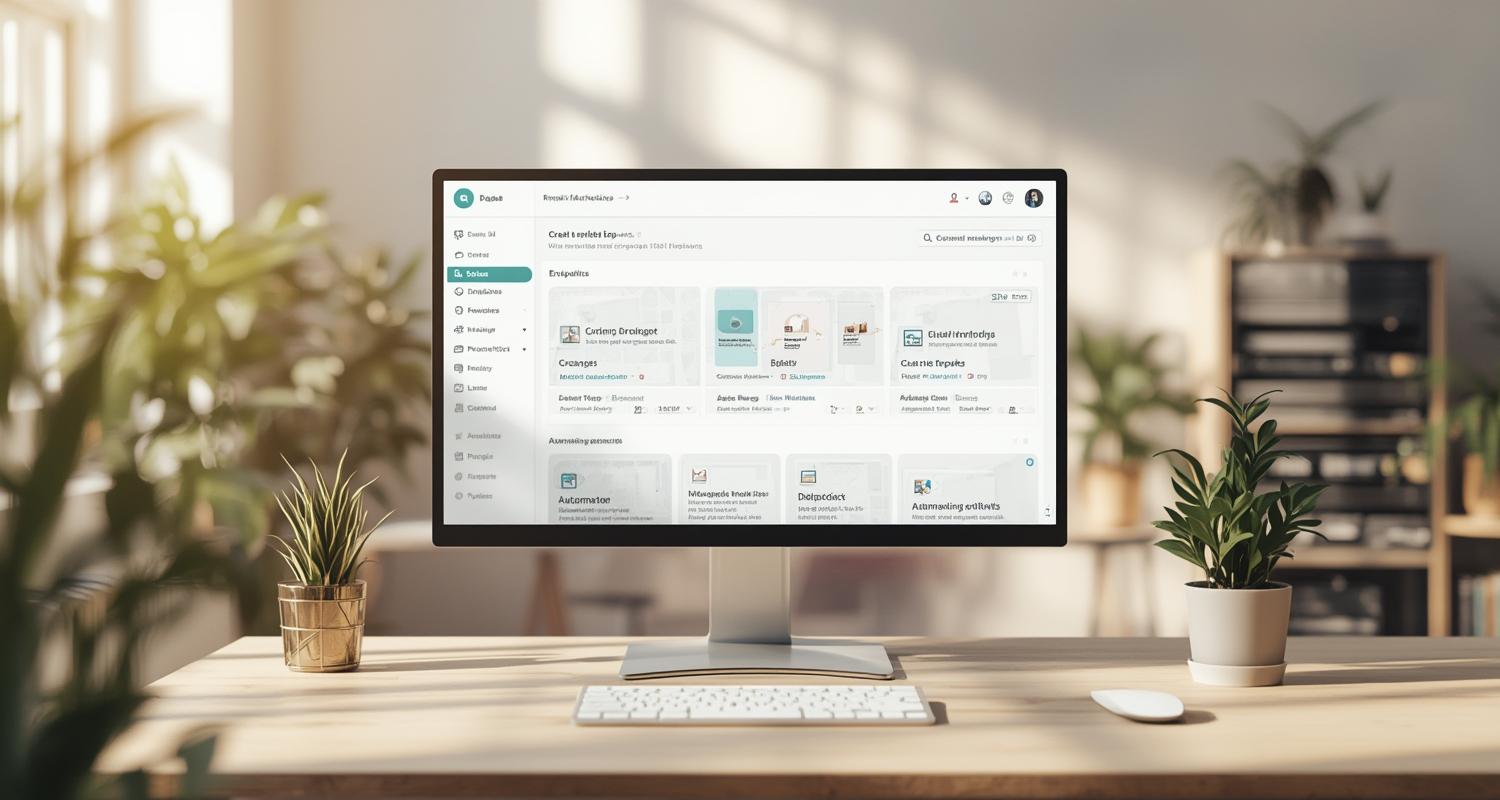
Consider this comparison of entry-level plans from hypothetical vendors:
– Vendor A offers 10,000 monthly emails for $29 but charges extra for advanced analytics
– Vendor B includes analytics at $25 but limits segmentation to five fields
– Vendor C appears cheapest at $20 but has no automation until the $50 tier
Analyzing long-term needs prevents lock-in with platforms that scale poorly. Businesses focused on email marketing monetization require room to grow without abrupt price jumps.
Integrating With Ecosystem Tools
Email campaigns rarely operate in isolation. CRM integrations sync subscriber data, ensuring purchase histories or support tickets inform campaign relevance. E-commerce connectors automatically recommend products based on past behavior, transforming newsletters into personalized storefronts. Weak API support or absent integrations demand tedious manual data transfers, increasing errors.
Solutions with native webinar or course hosting unlock additional revenue streams. For creators, combining email sequences with digital product launches or membership gating creates seamless buyer journeys. Marketers monetizing content via ads or sponsorships benefit from tools that track referral conversions and audience demographics for partner reporting.
Measuring Performance and Optimizing Campaigns
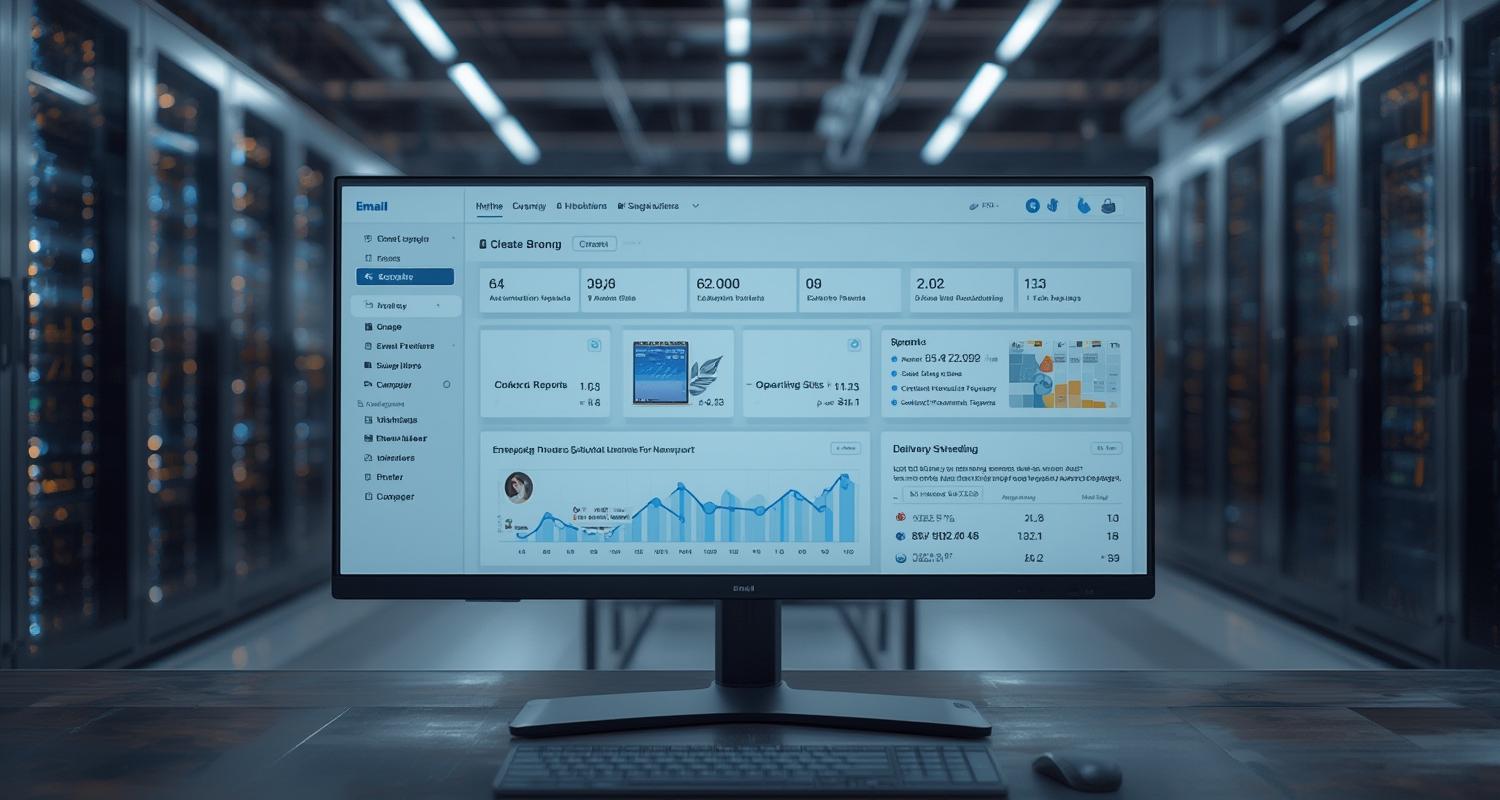
Surface-level metrics like open rates offer limited value without deeper context. Tools should track click maps—heatmaps revealing which links attract attention—and device breakdowns to identify rendering issues on mobile. Conversion tracking tied to revenue, whether direct sales or lead generation, highlights true campaign ROI.
Predictive analytics take optimization further, forecasting optimal send times for individual subscribers or identifying segments at risk of churn. Without these insights, marketers rely on broad assumptions that reduce conversion potential. Platforms that unify email data with broader marketing analytics provide a holistic view of customer journeys.
Conclusion
Mastering how to make money with email marketing requires pairing strategy with technology capable of executing complex campaigns reliably. From automated nurture sequences to precision-targeted promotions, the right platform transforms subscribers into revenue drivers. Avoid tools that complicate processes or hide critical data behind upsells; prioritize solutions offering end-to-end visibility, scalability, and seamless ecosystem integration. For those serious about email marketing monetization, investing in robust infrastructure today pays dividends in long-term customer lifetime value.
How often should businesses send marketing emails?
Frequency depends on audience expectations and content value. Retailers may deploy weekly promotions, while B2B brands might focus on bi-weekly thought leadership pieces. Monitor unsubscribe rates—spikes often signal fatigue. Segmentation allows varied frequencies; loyal customers might welcome daily deals, while new subscribers prefer lighter touchpoints.
Which email metrics matter most for revenue tracking?
Beyond opens and clicks, prioritize conversion rates (purchases, sign-ups), revenue per email, and subscriber lifetime value. Tools attributing sales directly to campaigns demonstrate clear ROI. Tracklist growth rate to ensure list health compensates for attrition.
Can small businesses compete with enterprise email strategies?
Yes—automation and segmentation democratize sophisticated tactics. A boutique shop can automate post-purchase follow-ups or segment by product interest just as effectively as larger brands, provided they choose platforms with these capabilities.

How does design impact email monetization?
Visual hierarchy guides readers toward calls-to-action. Cluttered layouts distract, while clear value propositions with strategic button placement boost conversions. Mobile-optimized designs ensure readability across devices—over 50% of emails are opened on smartphones.
What’s the biggest mistake in monetizing email lists?
Neglecting segmentation. Blasting generic offers burns subscriber trust. Personalized recommendations based on behavior outperform one-size-fits-all campaigns consistently. Implement progressive profiling to gather richer data over time, refining targeting further.