

Building successful email campaigns in today’s digital landscape requires more than just a catchy subject line and a visually appealing template. The backbone of any email marketing strategy lies in the tools you use to execute, automate, and analyze your campaigns. Reliable, fast, and feature-rich email marketing solutions ensure your messages land in the inbox, engage subscribers, and drive conversions. Whether you’re looking for ways how to get emails for email marketing or optimize your existing workflows, choosing the right platform makes all the difference in performance and scalability.
Many marketers face challenges with confusing dashboards, slow processing speeds, and limited automation capabilities—obstacles that directly impact campaign efficiency. A well-structured email marketing tool should streamline segmentation, simplify automation flows, and provide actionable insights through intuitive reporting. Equally important is the ability to grow your audience, emphasizing strategies for email list building without overwhelming complexity. Whether you’re a small business owner or part of a large marketing team, understanding these elements ensures you select a solution aligned with your goals.
Understanding Core Features in Modern Email Marketing Platforms
The best email marketing platforms offer more than just basic sending capabilities. They integrate automation, segmentation, and analytics to optimize campaign performance. Automation eliminates repetitive tasks by triggering emails based on subscriber behavior—think welcome sequences, abandoned cart reminders, or post-purchase follow-ups. Without this functionality, maintaining timely communication becomes manually intensive, often leading to delays or missed opportunities for engagement.
Segmentation is equally critical for personalizing content and improving open rates. Advanced tools allow you to categorize subscribers based on demographics, purchase history, or interaction patterns, ensuring tailored messaging that resonates. A/B testing further refines campaigns by experimenting with subject lines, content variations, or send times to determine what drives the best results. These features collectively enhance deliverability and engagement, key metrics tied directly to revenue growth.
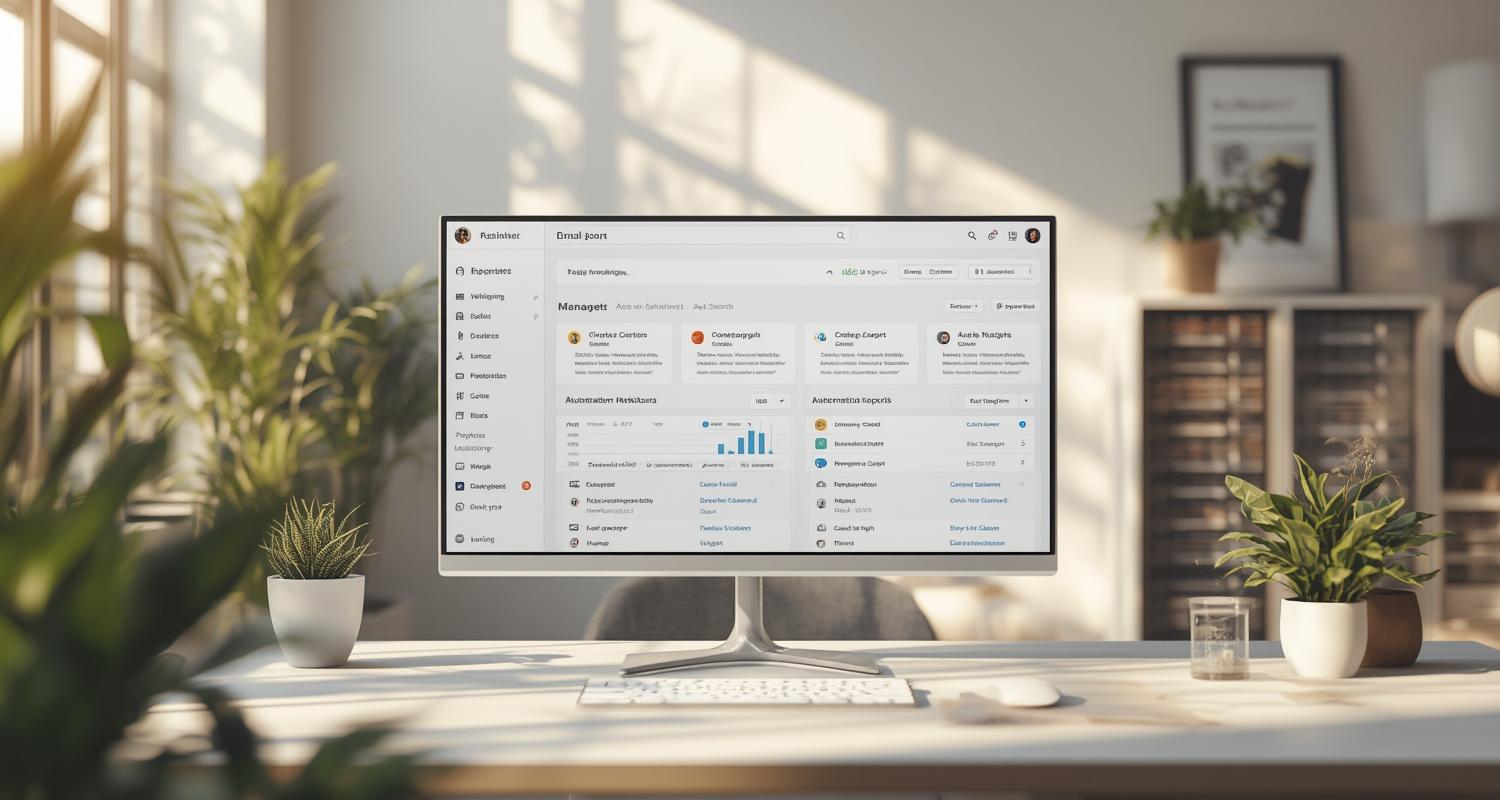
The reporting dashboards in premium solutions provide granular insights beyond superficial open and click-through rates. Marketers need data on conversion paths, device preferences, and geographic responses to fine-tune strategies effectively. For businesses focused on how to get emails for email marketing, these analytics reveal which acquisition channels yield the highest-quality leads, enabling smarter resource allocation. Integration with CRMs, e-commerce platforms, and social media tools further extends functionality, creating a centralized hub for audience management.
Why Speed and Deliverability Matter in Email Campaigns
One of the most frustrating issues marketers encounter is slow campaign processing, especially when sending bulk emails. Delays between scheduling and actual delivery can disrupt time-sensitive promotions, rendering them irrelevant upon arrival. High-quality platforms prioritize speed without compromising deliverability—a balance achieved through optimized infrastructure and adherence to ISP guidelines.
Email deliverability hinges on maintaining a strong sender reputation, which involves avoiding spam traps, managing bounce rates, and authenticating domains with SPF/DKIM records. Tools that facilitate list hygiene—automatically removing invalid addresses or inactive subscribers—play a crucial role in preserving inbox placement rates. For businesses investing in email list building, understanding these technical nuances prevents wasted effort on contacts unlikely to engage.
A comparison between basic and advanced platforms highlights stark differences in performance:
| Feature | Basic Tools | Advanced Platforms |
|—————————|———————————————–|———————————————–|
| Delivery Speed | Delays during peak times | Near-instant sends, even for large lists |
| Inbox Placement | Higher spam folder routing | Strategic throttling and IP rotation |
| Bounce Management | Manual cleanup required | Real-time validation and automatic suppression|
The right tool reduces administrative burdens while maximizing the impact of each campaign. Subscribers receive messages promptly, and marketers gain confidence in their ability to reach audiences effectively.
The Role of Templates and Customization in Engagement
Templates serve as the foundation for visually cohesive emails, but flexibility in customization determines their true value. Rigid designs force compromises, while drag-and-editors with modular blocks adapt to diverse branding needs. Mobile responsiveness is non-negotiable, given that over 60% of emails are opened on smartphones.
Dynamic content takes personalization further by altering elements based on recipient data—showing different product recommendations or location-specific offers within the same campaign. Behavioral triggers automate these adjustments, ensuring relevance without manual intervention. For example, a travel agency could showcase tropical destinations to subscribers who previously browsed beach vacations while highlighting mountain retreats for others.
Brands leveraging how to get emails for email marketing benefit from templates optimized for lead magnets and opt-in forms. High-converting layouts paired with seamless integration with landing page builders streamline the subscriber journey from attraction to enrollment.
Overcoming Common Pain Points in Email Marketing
Unexpected pricing structures surprise many users, particularly when costs escalate with list growth or additional features locked behind higher-tier plans. Transparent pricing models prevent budgetary strain, allowing businesses to forecast expenses accurately. Similarly, steep learning curves frustrate teams needing quick deployment; intuitive interfaces and onboarding resources mitigate this barrier.
Limited integrations compound inefficiencies by siloing data across disparate systems. Platforms supporting APIs or native connectors with popular software—like Shopify, Salesforce, or Zapier—centralize workflows, reducing manual data transfers and errors.
For marketers focused on email list building, integrations with webinar tools, CRM systems, and social media ads platforms unify prospecting efforts. Syncing webinar registrants directly into email sequences or retargeting engaged subscribers via Facebook ads creates a cohesive multichannel strategy.
Future-Proofing Your Email Strategy
Scalability separates short-term solutions from long-term partners. As subscriber lists expand, enterprise-grade tools handle increased volume without performance dips. Advanced segmentation accommodates nuanced audience subsets, while predictive analytics forecast trends to guide content planning.

Adopting AI-driven optimizations—like send-time recommendations or subject line generators—enhances efficiency. These innovations reduce guesswork, allowing marketers to focus on creativity rather than logistical hurdles.
Conclusion: Choosing the Right Tool for Sustainable Growth
Email marketing remains one of the highest ROI channels, but its success depends on selecting a platform that aligns with your technical needs and growth trajectory. Prioritize deliverability, automation depth, and analytical insights while ensuring ease of use and transparent pricing. Whether refining tactics for how to get emails for email marketing or scaling existing campaigns, the right tools transform effort into measurable outcomes.

By addressing common frustrations—slow speeds, complicated automation, and limited integrations—you position your campaigns for consistent engagement and conversions. Invest in solutions that grow alongside your business, adapting to evolving subscriber expectations and industry standards.
What metrics should I track beyond open and click-through rates?
Conversion rates, revenue per email, and list growth rate provide deeper insights into campaign effectiveness. Tracking unsubscribe rates and spam complaints also helps maintain sender reputation.
How often should I clean my email list?
Perform list hygiene quarterly, removing inactive subscribers and correcting invalid addresses. Regular cleaning improves deliverability and reduces costs associated with non-responsive contacts.
Can I automate follow-ups based on subscriber behavior?
Yes, behavioral triggers like link clicks, email opens, or website visits can initiate automated sequences. This ensures timely, relevant follow-ups without manual oversight.
Are pre-designed templates customizable for branding?
Leading platforms offer drag-and-drop editors with customizable fonts, colors, and layouts to maintain brand consistency while saving design time.
What’s the best way to grow my email list organically?
Combine lead magnets (e-books, discounts), optimized signup forms, and referral incentives. Integrating these strategies with content marketing maximizes quality subscriber acquisition.