

Launching a successful email marketing campaign starts with the right tools that simplify what should be complex processes while delivering measurable results. Too many platforms overcomplicate their interfaces with clunky workflows that slow down campaign creation, or they offer misleading pricing structures that lead to unexpected costs when scaling subscriber lists. What truly matters is finding a solution that combines intuitive design, robust automation, and actionable analytics—all while maintaining high deliverability rates so your messages actually reach inboxes rather than spam folders.
The foundation of any strong email strategy begins with how to collect emails for email marketing effectively. Without a growing and engaged subscriber list, even the most beautifully designed emails won’t drive revenue. Tools that integrate seamlessly with lead capture forms, landing pages, and e-commerce platforms remove friction from email list building, turning casual visitors into long-term customers.
Why Your Current Email Marketing Platform Might Be Holding You Back
Many businesses unknowingly limit their growth by sticking with outdated or underperforming email marketing tools. Common frustrations include sluggish campaign editors that take minutes to load simple changes, automation builders that require technical coding knowledge, or reporting dashboards that bury key metrics like open rates and click-through ratios beneath layers of irrelevant data. One of the most frequent complaints is the lack of real-time segmentation—being unable to dynamically group contacts based on purchase history, website interactions, or engagement levels forces marketers to send generic blasts instead of hyper-targeted messages.
Another critical oversight in subpar platforms is poor integration support. When your email tool doesn’t sync smoothly with your CRM, e-commerce platform, or analytics software, valuable data sits in silos. Imagine a scenario where a subscriber abandons their cart but never receives a personalized follow-up because the email system failed to capture that behavioral trigger. These gaps directly impact revenue and customer retention. Platforms that excel here provide native integrations with major services while offering API access for custom connections, ensuring all systems communicate flawlessly.
The Hidden Costs of Cheap or Free Email Marketing Services
Budget-friendly options often attract small businesses with promises of “unlimited emails” or “free plans,” but these frequently come with severe limitations that stunt growth. A common issue is restrictive subscriber caps—once you cross a certain threshold, usually around 1,000 contacts, prices jump dramatically without adding meaningful features. Other platforms allow large lists but throttle sending speeds or artificially suppress deliverability rates on lower-tier plans, meaning your emails arrive slower or land in spam folders more often.
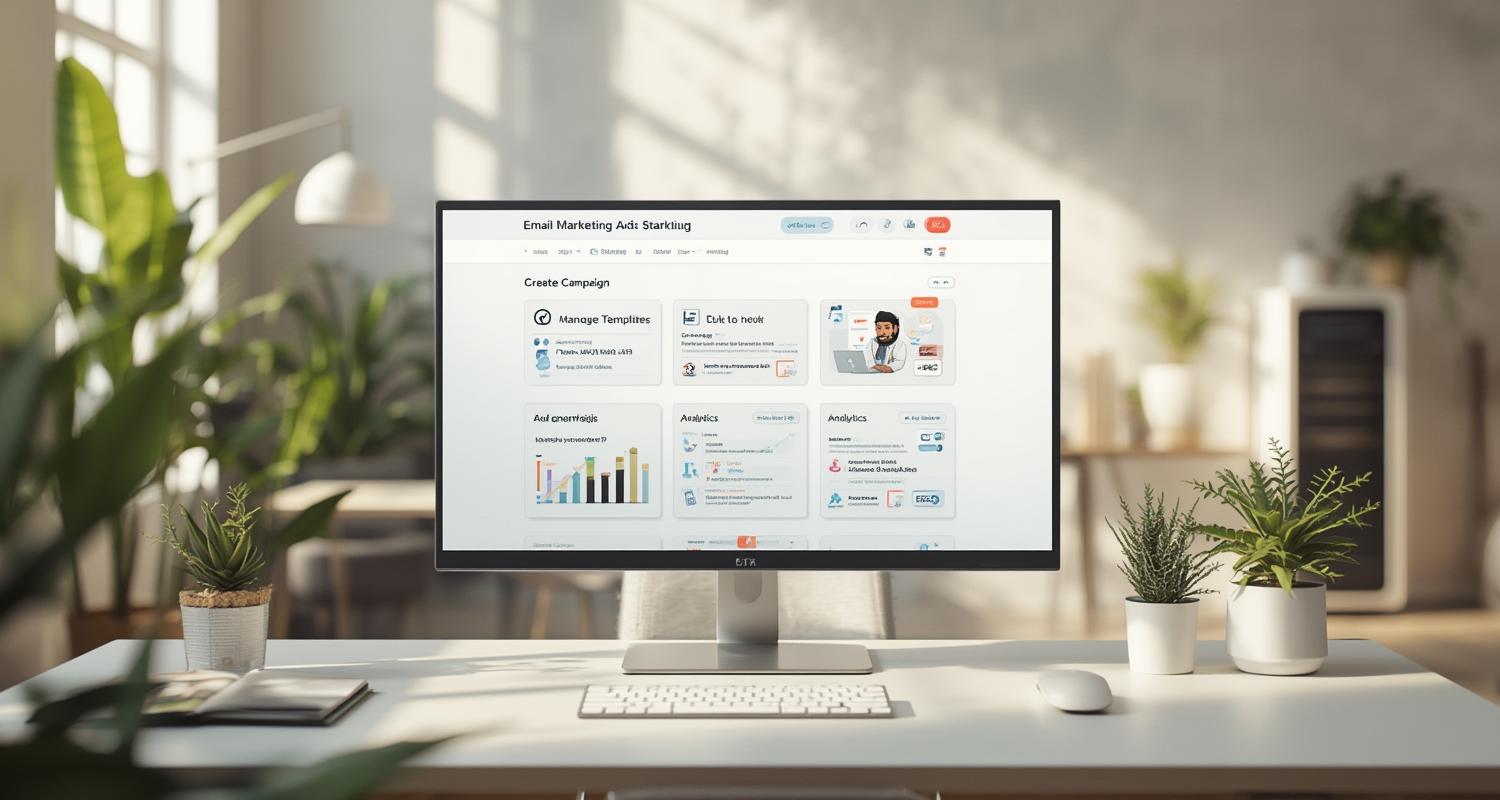
True cost-effectiveness comes from platforms that scale transparently, offering advanced features like A/B testing, predictive analytics, and multi-channel campaign automation at every pricing level. For example, services that include sophisticated how to collect emails for email marketing tools—such as AI-driven lead scoring or behavior-based popup triggers—help businesses grow their lists organically without paying for empty contacts.
How Advanced Segmentation Transforms Campaign Performance
Generic email blasts belong to the past. Modern consumers expect messages tailored to their preferences, browsing habits, and past interactions. High-performing platforms leverage deep segmentation capabilities that automatically categorize subscribers based on hundreds of data points. A travel agency could segment audiences into groups like “frequent luxury travelers,” “budget weekend trippers,” or “families planning summer vacations,” then deliver highly relevant content to each cohort.
Dynamic content takes this further by personalizing individual email elements in real time. An e-commerce brand might show different product recommendations, promo codes, or even images based on a subscriber’s location, past purchases, or items they recently viewed. This level of customization, once reserved for enterprise systems, is now accessible through user-friendly interfaces that don’t require IT support. The impact is measurable: segmented campaigns generate 30% higher open rates and 50% more click-throughs compared to non-segmented sends.
Automation Workflows That Actually Save Time Without Sacrificing Personalization
Creating manual email sequences for every customer action is impossible at scale. Effective automation solves this by triggering context-aware messages based on predefined rules or real-time behaviors. A robust workflow might begin when someone downloads a lead magnet, follow with educational content over seven days, then escalate to demo offers if they visit pricing pages—all while excluding contacts who convert early to avoid irrelevant messaging.
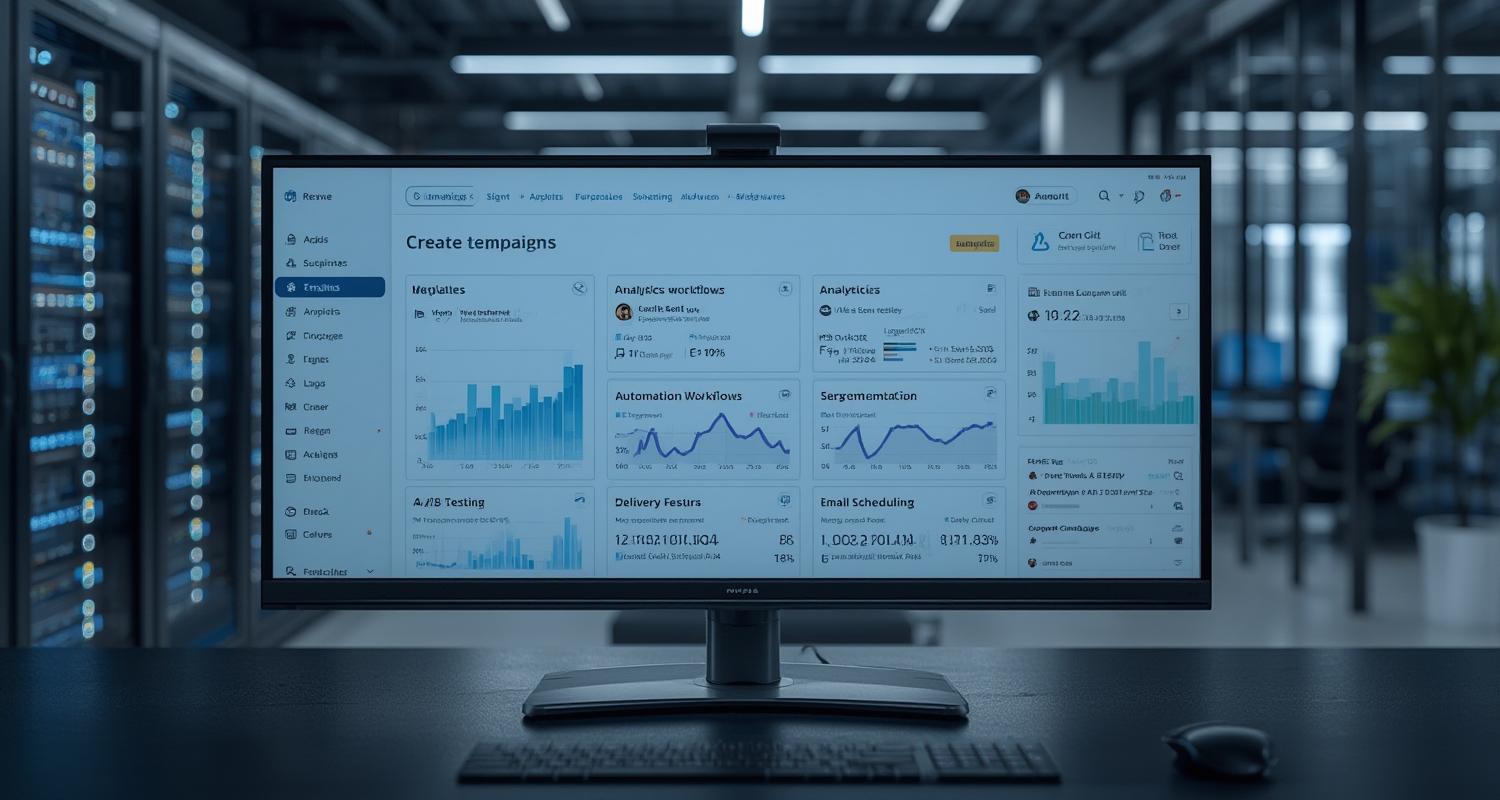
Top platforms distinguish themselves with visual workflow builders that map customer journeys through drag-and-drop interfaces, eliminating complex scripting. Advanced options incorporate conditional logic (“if/then” branches) and delay timers based on subscriber activity. For instance, a SaaS company could set a workflow where trial users receive usage tips for three days, but if they activate a premium feature, the system immediately shifts them into an upsell track. The key is balancing automation with human-like relevance—something achievable only when tools offer granular control over timing, content, and audience targeting.
Deliverability: The Make-or-Break Factor Most Marketers Overlook
A beautifully crafted email means nothing if it never reaches the inbox. Deliverability hinges on technical factors like authentication protocols (SPF, DKIM, DMARC), sender reputation monitoring, and built-in spam filter testing. Lesser platforms cut corners here, resulting in disappointing open rates despite solid content strategies. Premium services maintain dedicated IP pools, automate list hygiene to remove risky addresses, and provide inbox placement reports showing exactly where your campaigns land across major providers like Gmail, Outlook, and Yahoo.
Monitoring tools should alert you to sudden reputation drops—like a spike in spam complaints—before they impact future sends. Some advanced systems even adjust sending frequency or content patterns algorithmically to maintain optimal deliverability. This behind-the-scenes functionality is vital for businesses relying on email as a primary revenue channel. Pairing these technical safeguards with organic email list building practices ensures your messages consistently reach engaged subscribers rather than bouncing or disappearing into junk folders.
Analytics That Go Beyond Surface-Level Metrics
Basic open and click rates barely scratch the surface of what actionable email analytics should provide. Sophisticated platforms track micro-conversions, such as how many clicked a link then scrolled past the 50% mark on your landing page, or which email drove the highest conversions per dollar spent. Heatmaps reveal how subscribers interact with your content—maybe your call-to-action button gets overlooked because it’s buried below less important elements.
Comparing device-specific performance uncovers optimization opportunities—if mobile users open emails but rarely click, your design might not be responsive enough. Revenue attribution capabilities tie campaigns directly to sales, showing which segments or send times generate the highest ROI. This depth transforms analytics from a retrospective report card into a forward-looking optimization engine, guiding everything from subject line tests to send frequency adjustments.

Conclusion: Building Campaigns That Resonate and Convert
Email marketing success hinges on choosing tools that remove technical barriers while amplifying your unique messaging. The ideal platform accelerates how to collect emails for email marketing through smart lead capture, nurtures relationships with intelligent automation, and proves value through transparent analytics. Beyond features, prioritize intuitive workflows—your team should spend energy crafting compelling content, not fighting clumsy software.
As list sizes grow, scalability becomes critical; solutions that charge exorbitant fees per additional contact quickly become unsustainable compared to flat-rate models that include advanced segmentation and automation at all tiers. Finally, never underestimate deliverability—a platform’s ability to securely land emails in primary inboxes determines whether your carefully planned campaigns succeed or silently fail. When evaluating options, lean toward providers emphasizing list quality over quantity, with robust tools for maintaining engagement and compliance as part of their core email list building philosophy.
How Often Should I Clean My Email List?
List hygiene directly impacts deliverability and cost efficiency. Remove inactive subscribers (no opens/clicks in 6-12 months) through re-engagement campaigns before pruning. Good platforms automate this by tagging stale contacts and suggesting removals if reactivation attempts fail.
What’s More Important: Design Flexibility or Template Speed?
Balance both by choosing templates with modular designs—pre-built sections you can mix and match without coding. Prioritize mobile-optimized layouts since over 60% of emails open on phones. Some platforms offer AI-assisted design tools that customize templates based on your brand assets.
How Many Segmentation Categories Should I Use?
Start with 3-5 core segments based on explicit behaviors (purchases, downloads) rather than demographics. Expand gradually as you gather more interaction data. Over-segmentation without sufficient audience size per group leads to statistically unreliable results.
Are Open Rates Still a Valid Metric?
Apple’s Mail Privacy Protection skewed traditional open tracking, making clicks, conversions, and revenue-per-email more reliable indicators. Advanced platforms now measure “engaged opens” (time spent reading) or use pixel-free methods to gauge true engagement.
Should I Use a Dedicated IP for Email Sending?
Only recommended for senders with consistently high volumes (50,000+ emails monthly). Shared IPs managed by reputable providers often outperform poorly maintained dedicated IPs. The best platforms dynamically assign IPs based on your sending patterns and reputation.