
Streaming entertainment has evolved dramatically over the past decade, with IPTV (Internet Protocol Television) emerging as a powerful alternative to traditional cable and satellite services. Unlike conventional broadcasting methods, IPTV delivers content through internet protocols, offering unparalleled flexibility, channel customization, and cost savings. For viewers seeking a tailored experience without long-term contracts or inflated pricing, understanding how to choose iptv subscription becomes essential. Whether you’re cutting the cord or enhancing your existing setup, selecting the right provider can make all the difference in streaming quality, reliability, and content variety.
Evaluating Key Features for Optimal Streaming Performance
The foundation of a great IPTV service lies in its technical capabilities. High-definition streaming should be non-negotiable, with support for at least 1080p resolution and stable 60fps playback for sports and action-packed content. Look for providers offering adaptive bitrate streaming, which automatically adjusts video quality based on your internet speed to prevent buffering. Latency is another critical factor—services with low lag times (under 2-3 seconds) ensure live events feel truly live. Many top-tier providers now include catch-up TV and cloud DVR functions, letting you revisit shows aired within the past 72 hours or record them indefinitely. The inclusion of EPG (Electronic Program Guide) with detailed show metadata transforms chaotic channel surfing into a Netflix-like browsing experience.
Content delivery networks (CDNs) significantly impact performance. Providers leveraging multiple global CDNs minimize latency by routing traffic through the nearest server node. Some services even offer dedicated apps optimized for specific devices like Firestick, Apple TV, or Android boxes, ensuring smoother navigation compared to generic third-party players. Testing these features during trial periods reveals much about real-world performance—a step often overlooked by subscribers rushing through how to choose iptv subscription decisions. Pay attention to peak-hour stability; many services buckle under evening traffic loads despite daytime reliability.
Comparing Content Libraries and Channel Lineups
Content preference drives most subscription choices, making channel analysis paramount. Sports enthusiasts prioritize services carrying regional NFL, NBA, or Premier League networks alongside specialty channels like ESPN Deportes or TSN. Movie buffs scrutinize VOD (Video on Demand) sections for blockbuster availability and update frequency—top providers refresh libraries weekly with theater-quality releases. News junkies require 24/7 access to global outlets like CNN International, BBC World News, and Al Jazeera. Surprisingly, some premium services bundle niche offerings like international radio stations or adult sections behind parental controls.
Regional coverage varies wildly among providers. A service strong in European football might lack comprehensive Asian entertainment packages, highlighting the need for tailored selections. Many best iptv providers 2027 now categorize channels by language and country, simplifying searches for diaspora communities. Beware of inflated channel counts—some listings pad numbers with obscure regional stations or duplicate HD/SD versions. Quality providers display actual channel lists pre-purchase rather than vague promises of “10,000+ channels.” Cross-referencing promised lineups against user forums uncovers discrepancies before subscription commitments.

Assessing Compatibility Across Devices
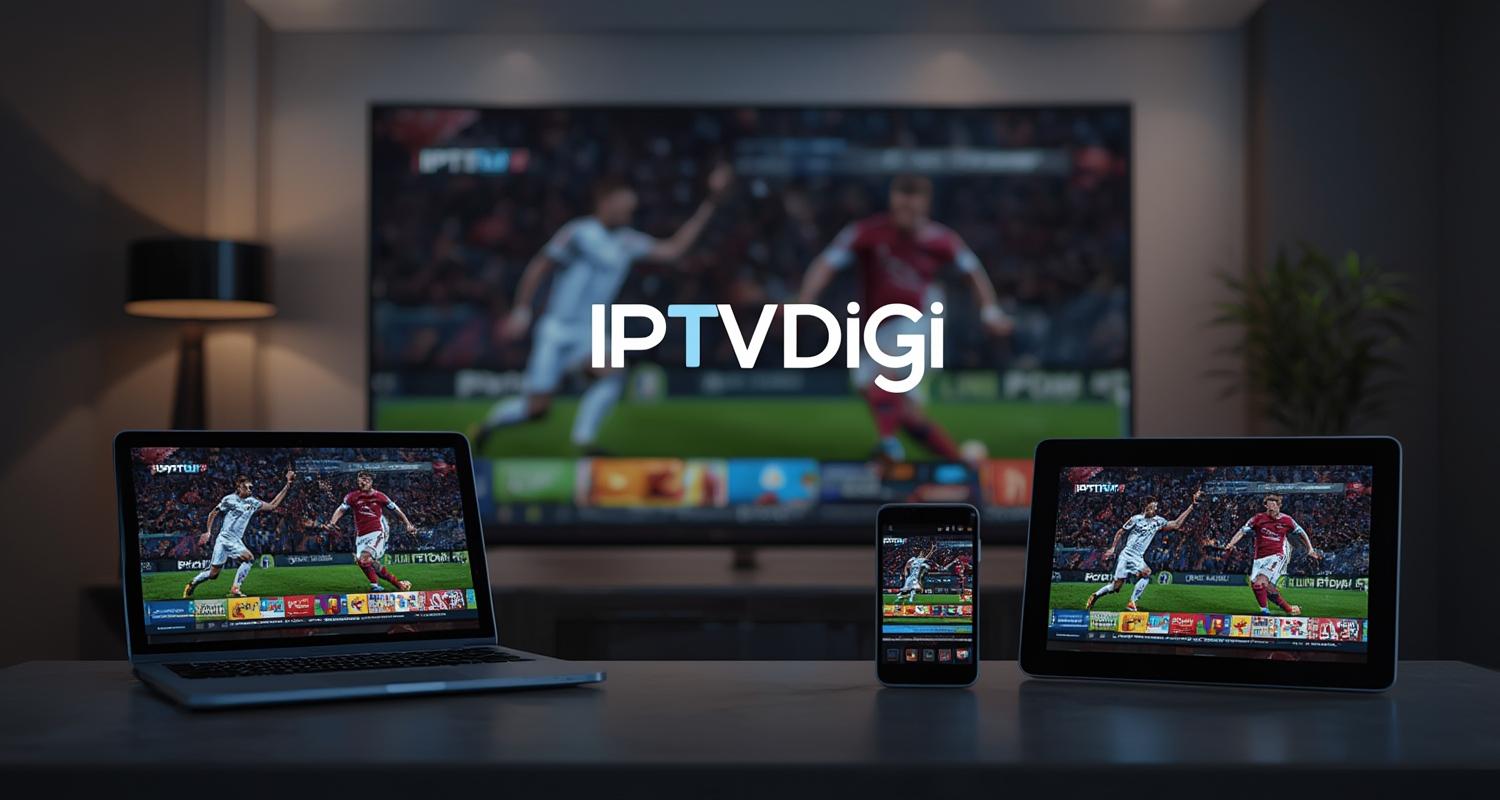
Modern households stream across diverse devices, making multi-platform support crucial. Premium services deliver dedicated apps for iOS, Android, Smart TVs (Samsung Tizen, LG webOS), and streaming sticks (Roku excluded due to policy restrictions). MAG boxes and Formuler devices remain popular among purists for their native IPTV middleware, though modern apps often match their stability. Look for services supporting simultaneous connections—families need at least 3-5 device slots without triggering security blocks common in cheaper services.
Integration capabilities separate mediocre from exceptional providers. Advanced services allow M3U playlist imports for use with TiviMate or IPTV Smarters Pro, granting interface customization superior to proprietary apps. Some even offer stalker middleware portals mimicking traditional cable box experiences. Mobile users should verify download options for offline viewing—a rare but valuable feature among best iptv providers 2027. Gaming console compatibility (via sideloading on Xbox or browser access on PlayStation) expands viewing locations further. Always verify remote control functionality; poorly designed apps frustrate navigation without keyboard/mouse support.
Security Protocols and Privacy Considerations
As IPTV gains popularity, so do cyber threats targeting streaming infrastructure. Reputable providers implement robust encryption like AES-256 for securing streams against ISP throttling or snooping. VPN compatibility is mandatory for bypassing regional blackouts or censorship—services openly supporting VPN usage indicate confidence in their infrastructure’s geo-flexibility. Privacy-conscious users should scrutinize data collection policies; some providers log viewing habits excessively while others maintain minimal匿名 records.
Payment security often reveals much about a provider’s legitimacy. Bitcoin/crypto options appeal to those prioritizing anonymity, though established credit card processors signal long-term stability. Beware services demanding unconventional payments like gift cards or direct bank transfers—hallmarks of fly-by-night operations. Watermarking or device fingerprinting helps providers combat credential sharing but may inconvenience legitimate multi-device users. Reading recent Terms of Service updates exposes restrictive clauses before they disrupt your viewing.
Customer Support and Reliability Guarantees
The true test of any IPTV service emerges during technical difficulties. Reliable providers maintain 24/7 support channels beyond just chatbots—look for live chat responsiveness during odd hours matching your timezone. Forum activity levels on platforms like Discord or Reddit indicate community troubleshooting resources. Avoid services where support only exists via Telegram groups prone to disappearing overnight. Clear uptime statistics (99%+ expected) should accompany promises, with transparent outage explanations rather than generic “server maintenance” messages.
Refund policies reveal provider confidence levels. Services offering prorated cancellations contrast sharply with those demanding annual commitments without recourse. Some implement credit systems forgiving occasional downtime rather than rigid SLA guarantees—a pragmatic approach acknowledging internet infrastructure realities. Trial periods remain the gold standard; anything less than 24-48 hours free access suggests insecurity about service quality. Documenting response times during trials predicts post-sale support experiences accurately.
Pricing Structures and Long-Term Value
IPTV pricing spans bewildering ranges from suspiciously cheap ($5/month) to premium-tier ($25+). Sustainable services cluster around $12-$18 monthly, aligning infrastructure costs with profit margins. Beware lifetime subscription deals—these almost invariably collapse once initial subscriber pools dry up. Semi-annual payments often strike the best balance between discounts (15-25% off monthly rates) and commitment flexibility. Family sharing plans providing additional connections at marginal cost (e.g., +$2 per extra screen) maximize household value.
True cost comparisons must factor in hidden expenses. Services lacking native apps may require additional investments in third-party players like TiviMate (one-time $8 license). Some providers impose fees for EPG customization or advanced features marketed as “premium add-ons.” Regional tax compliance (like EU VAT) indicates legitimate business operations versus underground setups prone to abrupt shutdowns. Bundled ISP partnerships sometimes offer discounted rates offsetting standalone subscription costs advantageously.
Conclusion
Selecting the ideal IPTV service requires balancing technical performance, content breadth, and sustainable business practices. As streaming becomes increasingly personalized, understanding how to choose iptv subscription empowers consumers to bypass marketing hype for substantive quality. Whether prioritizing 4K sports coverage or international channel diversity, today’s best iptv providers 2027 deliver experiences surpassing traditional cable at fraction of the cost—provided you know which features genuinely enhance daily viewing versus superficial selling points.
Frequently Asked Questions
What internet speed is required for stable IPTV streaming?
Most HD streams require consistent 15-25 Mbps connections per device, while 4K content demands 35-50 Mbps. Wireless networks often introduce instability—ethernet-connected devices maintain steadier throughput crucial for live events. Providers recommending lower speeds likely use aggressive compression degrading visual quality noticeably.
Can I use one subscription across multiple households?
Technically possible but ethically and legally questionable, most services employ IP tracking or simultaneous connection limits preventing widespread sharing. Some premium plans offer “family” packages explicitly allowing two households under fair usage policies—consult individual provider terms before attempting multi-location setups.
How do IPTV services compare to official network apps?
Network apps offer superior reliability and often free access but require managing numerous logins and lack unified interfaces. IPTV centralizes content while including channels unavailable through standalone apps—particularly international and niche offerings—though with slightly higher latency during live broadcasts.
Why do some channels buffer despite fast internet speeds?
This often stems from ISP throttling (bypassable via VPN), peak-time server overloads, or inefficient transcoding at the provider’s end. Testing during different times isolates the issue—consistent buffering indicates infrastructure problems rather than temporary congestion.
Are there legal risks associated with IPTV services?
Subscribing to fully licensed services poses no inherent risks, while unauthorized re-streamers operate in legal gray areas. Red flags include missing business registration details, absence from copyright compliance organizations, and exclusive cryptocurrency payments—transparent providers openly address licensing questions reassuringly.