
Building Successful Email Campaigns: A Comprehensive Guide
Email marketing remains one of the most effective digital marketing strategies, offering an impressive return on investment (ROI) when executed correctly. Whether you’re a small business owner, a marketer, or an entrepreneur, mastering email campaigns can significantly boost engagement, conversions, and revenue. However, achieving success requires more than just sending bulk emails—it demands strategic planning, the right tools, and continuous optimization.
In today’s competitive landscape, businesses need reliable, fast, and feature-rich email marketing tools to stand out. From automation and segmentation to A/B testing and analytics, the right platform can make or break your campaigns. Moreover, understanding how to earn money from email marketing and leveraging email affiliate marketing can open additional revenue streams. This guide explores everything you need to know to build high-converting email campaigns while maximizing profitability.
Understanding the Foundations of Email Marketing
Before diving into advanced strategies, it’s essential to grasp the fundamentals of email marketing. At its core, email marketing involves sending targeted messages to a subscriber list with the goal of nurturing leads, driving sales, or building brand loyalty. Unlike social media algorithms that limit reach, emails land directly in subscribers’ inboxes, giving marketers full control over messaging.
One of the biggest challenges beginners face is list building. Purchasing email lists may seem tempting, but it often leads to low engagement and spam complaints. Instead, focus on organic growth through lead magnets like eBooks, webinars, or exclusive discounts. Once you have a quality list, segmentation becomes crucial. Grouping subscribers based on behavior, demographics, or purchase history allows for personalized messaging, which can increase open rates by up to 50%.
Automation is another game-changer. Instead of manually sending emails for every new subscriber or purchase, automation workflows handle repetitive tasks, saving time and improving efficiency. For example, welcome sequences can introduce new subscribers to your brand, while abandoned cart emails can recover lost sales.
Choosing the Right Email Marketing Tool
With countless email marketing platforms available, selecting the right one can be overwhelming. The best tool depends on your business size, budget, and specific needs. Here’s a breakdown of key features to consider:
Automation Capabilities
Automation is non-negotiable for scaling email campaigns. Look for platforms that offer drag-and-drop workflow builders, conditional logic, and multi-step sequences. Advanced automation allows for behavioral triggers, such as sending a follow-up email when a subscriber clicks a specific link.
Segmentation and Personalization
Generic emails no longer cut it. Modern subscribers expect personalized content tailored to their interests. A robust segmentation tool lets you categorize audiences based on engagement levels, past purchases, or geographic location. Dynamic content insertion takes personalization further by customizing email blocks for different segments.
Analytics and Reporting
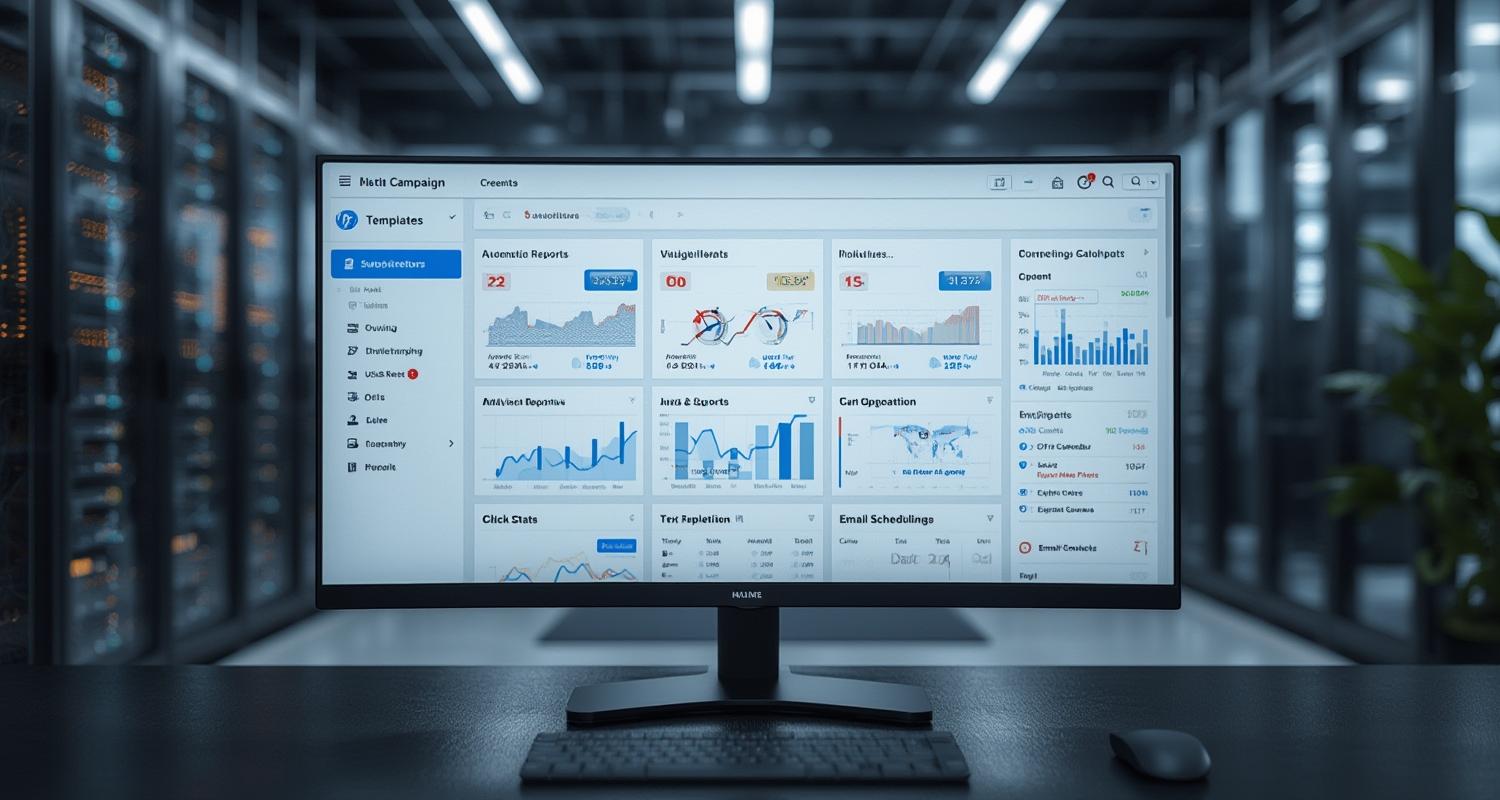
Measuring performance is critical for optimization. Key metrics include open rates, click-through rates (CTR), conversion rates, and unsubscribe rates. The ideal platform provides real-time dashboards, A/B testing insights, and deliverability reports to identify what’s working and what needs improvement.
Integration Ecosystem
Your email marketing tool should seamlessly integrate with other business software, such as CRM systems, eCommerce platforms, and social media tools. This ensures smooth data flow and eliminates manual data entry errors.
Pricing Transparency
Hidden fees can derail your budget. Opt for transparent pricing models that scale with your subscriber count. Some platforms charge based on the number of emails sent, while others offer unlimited emails for a flat fee.
How to Earn Money from Email Marketing
Monetizing email campaigns goes beyond direct sales. Here are three proven strategies:
Selling Products or Services
The most straightforward approach is promoting your offerings. Whether you run an eCommerce store or offer consulting services, emails can drive conversions. Use persuasive copy, scarcity tactics (e.g., limited-time offers), and social proof (testimonials) to boost sales.
Affiliate Marketing
Email affiliate marketing is a lucrative way to earn commissions by promoting third-party products. Choose affiliates relevant to your niche, and disclose partnerships transparently. For example, a fitness blogger could partner with supplement brands and earn a percentage of sales generated through their referral links.
Sponsored Content
If you have a large, engaged subscriber base, brands may pay you to feature their products in your emails. This works well for influencers, bloggers, and niche experts. Ensure sponsored content aligns with your audience’s interests to maintain trust.
Advanced Strategies for High-Converting Campaigns
Once you’ve mastered the basics, these advanced tactics can take your email marketing to the next level:
Behavioral Triggers
Instead of sending emails on a fixed schedule, trigger them based on user actions. For instance, if a subscriber browses a product page but doesn’t purchase, an automated email with a discount code can nudge them toward conversion.
Predictive Analytics
Some platforms use AI to predict the best send times, subject lines, and content for each subscriber. Leveraging these insights can significantly improve engagement rates.
Interactive Emails
Static emails are becoming obsolete. Incorporate interactive elements like polls, quizzes, or clickable image carousels to boost engagement. For example, a travel agency could embed a destination quiz to personalize recommendations.
Common Pitfalls and How to Avoid Them
Even seasoned marketers make mistakes. Here are some frequent pitfalls and solutions:
Poor List Hygiene
Sending emails to inactive subscribers hurts deliverability. Regularly clean your list by removing unengaged users or re-engaging them with win-back campaigns.
Overloading Subscribers
Bombarding subscribers with daily emails leads to fatigue and unsubscribes. Strike a balance by testing optimal frequency—typically 1-3 emails per week.
Ignoring Mobile Optimization
Over 60% of emails are opened on mobile devices. Ensure your emails are responsive, with legible fonts and properly sized buttons.
Conclusion
Email marketing is a powerful tool for driving engagement, sales, and passive income. By choosing the right platform, leveraging automation, and implementing advanced strategies, you can build campaigns that resonate with your audience. Whether through direct sales, email affiliate marketing, or sponsored content, learning how to earn money from email marketing can transform your business. Start small, test relentlessly, and scale what works to achieve long-term success.
Frequently Asked Questions
What is the best email marketing platform for beginners?
For beginners, platforms like Mailchimp or GetResponse offer user-friendly interfaces, automation templates, and free plans to get started. As your list grows, you can upgrade to more advanced features.
How often should I send marketing emails?
The ideal frequency depends on your audience. Start with 1-2 emails per week and adjust based on engagement metrics. Avoid overwhelming subscribers with daily emails unless they’ve explicitly opted in for high-frequency content.
Can I really earn money from email marketing?
Absolutely! Beyond selling your own products, email affiliate marketing and sponsored content provide additional revenue streams. The key is building a loyal, engaged subscriber base.
How do I improve my email open rates?
Focus on compelling subject lines, personalization, and optimal send times. A/B testing different approaches can help identify what resonates best with your audience.
What’s the biggest mistake in email marketing?
Neglecting segmentation. Sending generic emails to your entire list results in low engagement. Always segment based on behavior, demographics, or purchase history for better results.
By implementing these strategies and avoiding common pitfalls, you’ll be well on your way to email marketing success.