

Building successful email campaigns today requires more than just a catchy subject line or a well-designed template—it demands a sophisticated understanding of subscriber engagement, automation capabilities, and reliable deliverability. The right email marketing tool can transform how you connect with your audience, streamline your workflow, and ultimately drive better results. With the average professional receiving over 120 emails per day, standing out requires precision, personalization, and strategic timing. How often should you send email marketing without overwhelming your subscribers? This question alone highlights the delicate balance between engagement and inbox fatigue, a challenge that modern platforms aim to address with data-driven insights and automation features.
Whether you’re a small business owner looking to nurture leads or an enterprise marketing team managing complex campaigns, the choice of tool determines how effectively you can segment audiences, craft personalized messages, and measure performance. Many platforms promise efficiency but stumble with clunky interfaces, slow campaign processing, or pricing traps that emerge just as you scale. This deep dive explores why email marketing frequency matters, how top tools optimize sending schedules, and what features truly set industry leaders apart in real-world use.
Understanding Email Marketing Deliverability and Engagement
Deliverability remains one of the most critical yet misunderstood aspects of email marketing. Even the most compelling content fails if it lands in spam folders or gets ignored due to poor timing. Modern platforms combat this with adaptive sending algorithms that adjust based on recipient behavior, ISP feedback loops, and sender reputation monitoring. Tools now integrate artificial intelligence to determine the best send times for each subscriber, boosting open rates by 20-30% compared to fixed schedules.
Consider the frustration of crafting a beautifully designed campaign only to discover that half your emails never reached their destination. Advanced solutions tackle this by providing inbox placement testing, spam score analysis, and automatic list hygiene features that remove inactive or risky addresses. For instance, some platforms flag contacts who haven’t engaged in six months, suggesting suppression to protect your sender score. The question of how often should you send email marketing ties directly into these deliverability metrics—overmailing can trigger spam complaints, while under-mailing wastes opportunities. Leading systems strike this balance by analyzing engagement decay rates and recommending optimal frequencies per segment.
The Role of Automation and Segmentation in Campaign Performance
Automation has evolved beyond simple drip campaigns into dynamic workflows triggered by real-time subscriber actions. Imagine a scenario where a user abandons their cart on your e-commerce site, receives a tailored follow-up within an hour, and then automatically enters a win-back sequence if they don’t respond. This level of sophistication requires robust conditional logic, multi-channel integration, and behavioral tracking—capabilities now expected from premium platforms.
Segmentation complements automation by ensuring relevance, which directly impacts email marketing frequency. A B2B SaaS company might send weekly product updates to active users but only monthly newsletters to free-tier subscribers, while an e-commerce brand could trigger post-purchase sequences based on order value or product category. These distinctions prevent list-wide fatigue. Advanced tools enable micro-segmentation using dozens of filters—from geographic location to past purchase history and even predicted customer lifetime value.
Comparing Key Features Across Premium Email Marketing Platforms
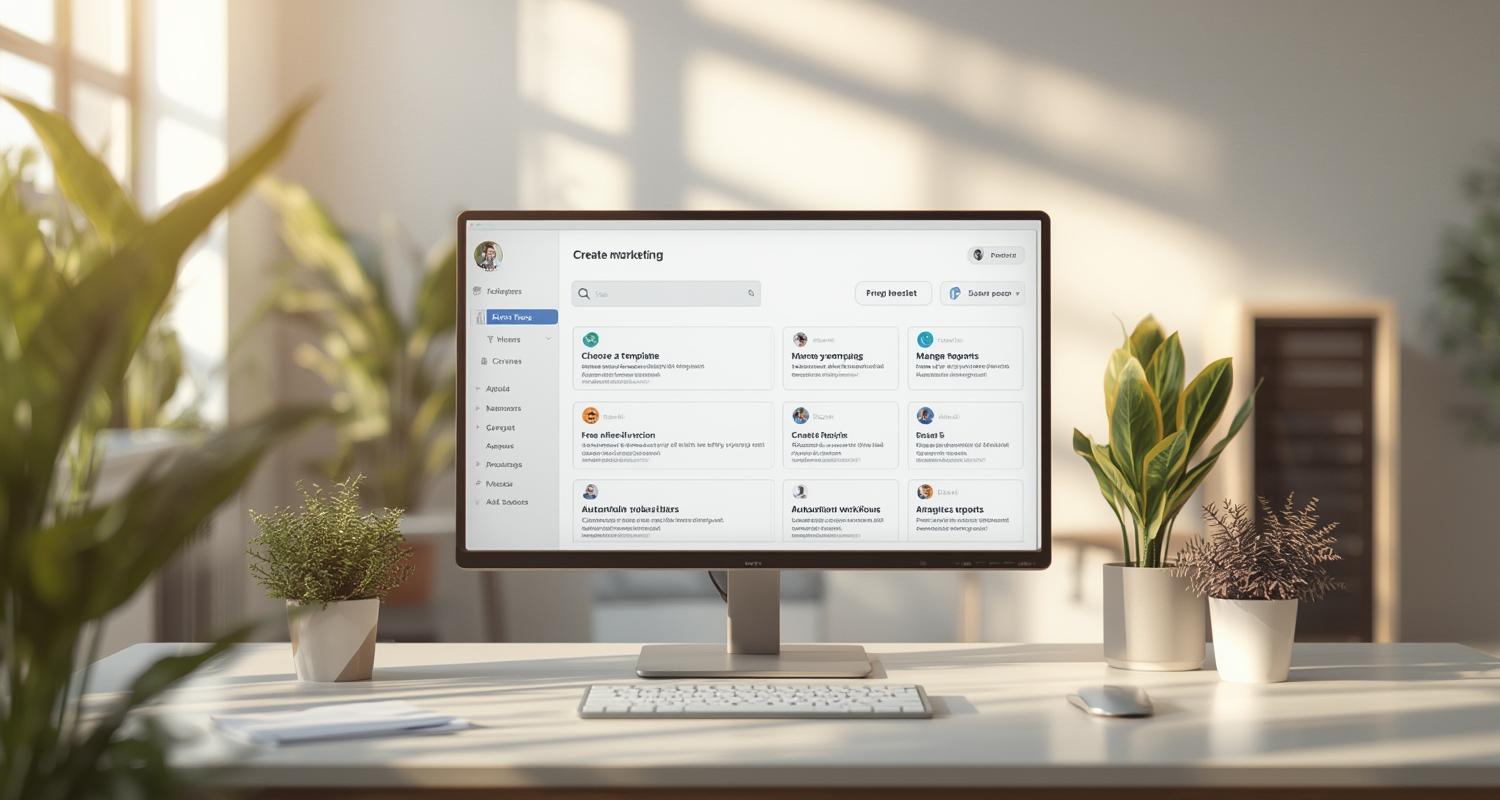
When evaluating tools, marketers often grapple with trade-offs between ease of use and depth of functionality. A comparison of three critical areas—campaign creation, analytics, and integration ecosystems—reveals stark differences.
For campaign creation, some platforms offer drag-and-drop builders with modular content blocks optimized for mobile responsiveness, while others provide raw HTML access for developers needing full control. The middle ground includes templates with customizable CSS, catering to both designers and non-technical users.
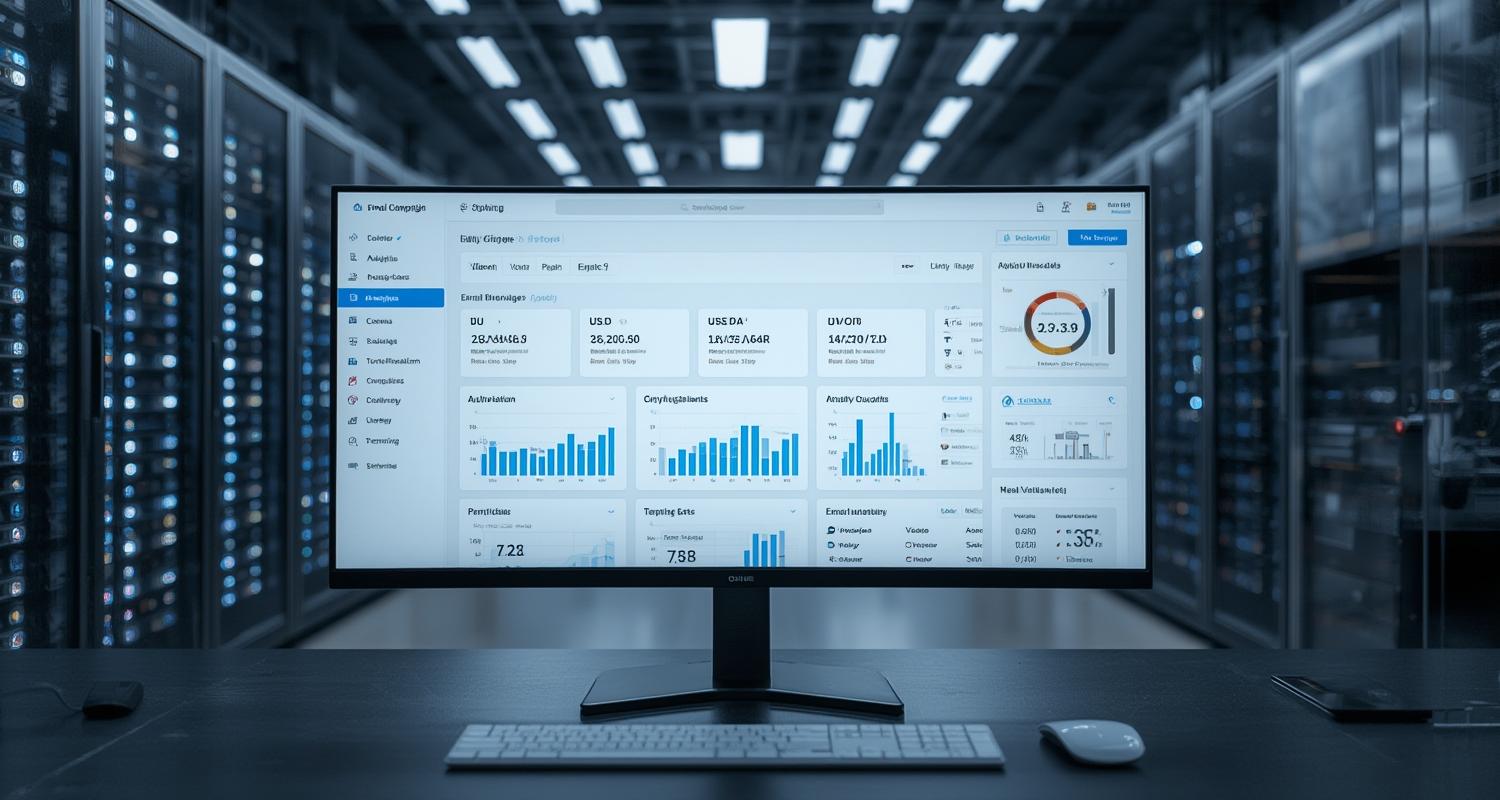
Analytics dashboards range from basic open/click reports to predictive analytics forecasting subscriber churn. The best systems unify data across channels, showing how email performance intersects with web visits, social media engagement, and CRM activity. These insights directly inform decisions about email marketing frequency by revealing when engagement drops or spikes occur.
Integration capabilities determine how seamlessly email campaigns fit into broader tech stacks. Native connections with e-commerce platforms like Shopify or CRM systems like Salesforce save countless hours compared to API-reliant workarounds. Some tools even offer embedded forms and landing pages that sync subscriber data automatically, eliminating manual imports.
The Hidden Costs and Scalability Challenges
Pricing structures often lure users with low entry costs but introduce steep jumps at higher subscriber tiers. A platform may seem affordable at 5,000 contacts but become prohibitively expensive upon reaching 50,000, forcing painful migrations mid-growth. Transparent providers disclose these tiers upfront and offer volume discounts or unlimited sending options for enterprises.
Another hidden cost emerges in deliverability maintenance. Cheaper solutions may cut corners on IP warming processes or lack dedicated delivery experts, resulting in higher long-term infrastructure costs to maintain inbox placement. Premium services include postmaster support and monitor blacklists proactively—a lifesaver for brands sending high-volume campaigns.
Real-World Impact on Conversion Rates and ROI
The difference between mediocre and exceptional email tools becomes clear when examining conversion lift. A well-optimized platform using machine learning for subject line testing can increase open rates by 15-25%, while behavioral targeting boosts click-through rates up to 50% compared to batch-and-blast approaches.
Consider an online retailer using dynamic product recommendations based on browsing history. Their abandoned cart emails generate twice the revenue of generic reminders because content aligns precisely with individual intent. Similarly, B2B companies nurturing leads through automated sequences report 30% shorter sales cycles when emails adapt to prospect engagement levels in real time.
These outcomes hinge not just on software capabilities but on strategic execution—knowing how often should you send email marketing to each segment without causing opt-outs. Sophisticated tools provide engagement scoring models that predict the ideal contact frequency per subscriber, maximizing touchpoints while respecting inbox tolerance.
Future Innovations Shaping Email Marketing
Emerging technologies like predictive send-time optimization and AI-powered content generation are redefining industry standards. Imagine a system that not only schedules emails when recipients are most likely to engage but also drafts variations of your message tuned to different audience personas. Early adopters of these features report significant efficiency gains in campaign production times and relevance scores.
Interactive email elements—such as embedded surveys, live polls, or even mini checkouts—are transforming static messages into two-way communication channels. Platforms supporting AMP for Email enable these experiences directly within the inbox, eliminating friction from external landing pages. Such advancements make the case for choosing solutions with active R&D pipelines versus stagnant legacy systems.

Conclusion
Selecting the right email marketing tool involves balancing immediate needs with long-term growth potential. The ideal platform addresses core frustrations—unpredictable deliverability, cumbersome automation setup, opaque pricing—while offering advanced features that scale with your business. Key differentiators include AI-driven optimization for email marketing frequency, enterprise-grade deliverability infrastructure, and deep integration capabilities that unify customer data across touchpoints.
Brands that invest in sophisticated solutions gain more than just email software; they acquire a competitive edge through higher engagement, streamlined operations, and actionable insights that drive measurable ROI. As consumer expectations for personalization and relevance continue rising, leveraging these tools becomes not just advantageous but essential for sustainable success.
How does email marketing frequency affect subscriber retention?
Optimal frequency varies by industry and audience, but general best practices suggest testing intervals between weekly and monthly for newsletters. Overmailing increases unsubscribe rates, while underutilization reduces top-of-mind awareness—highlighting why segmentation and engagement tracking are vital for finding the sweet spot.
What metrics determine if I’m sending emails too often?
Watch for declining open rates, increased spam complaints, or sudden unsubscribe spikes after campaign sends. Advanced platforms provide fatigue scoring that warns when specific segments need reduced frequency to maintain healthy engagement levels.
Can automation help manage email marketing frequency?
Absolutely. Behavioral automation allows dynamic adjustments—active subscribers might receive more frequent emails, while dormant contacts enter re-engagement sequences instead of regular broadcasts. This ensures relevance and protects sender reputation.
How do premium tools optimize send times?
Machine learning analyzes historical engagement patterns to determine individual optimal windows, adjusting for time zones and weekday preferences. Some solutions even reschedule emails in real time if recipients don’t open them initially.
What’s the cost difference between basic and advanced email marketing platforms?
Entry-level solutions start around $20/month but often lack automation, advanced analytics, or high-volume sending capabilities. Enterprise platforms with robust feature sets range from $500-$2000/month but justify their cost through deliverability guarantees and productivity savings.
By understanding these dynamics and leveraging modern tools, businesses transform email from a basic communication channel into a strategic growth engine—precisely timed, perfectly targeted, and meticulously measured for ongoing improvement.