

Email marketing remains one of the most effective digital marketing channels, delivering an impressive return on investment when executed correctly. However, building successful campaigns requires more than just drafting compelling copy—it demands reliable tools that streamline automation, segmentation, analytics, and subscriber management. The right platform can mean the difference between emails that convert and those that end up buried in spam folders.
One common challenge marketers face is determining how many marketing emails is too many. Bombarding subscribers leads to fatigue and unsubscribes, while sending too few means missed opportunities. Striking the right balance requires not only intuition but also data-driven insights from robust email marketing software. Similarly, establishing an optimal email marketing cadence involves testing different frequencies and analyzing engagement metrics—something that’s nearly impossible without the right tools.
Understanding Core Features of Email Marketing Platforms
Every successful email campaign relies on foundational features that simplify workflow while maximizing engagement. Automation stands out as a game-changer, allowing marketers to set up drip campaigns, welcome sequences, and behavioral triggers without manual intervention. Advanced platforms go beyond basic autoresponders, offering visual workflow builders that let users design complex customer journeys with conditional logic.
Segmentation is another critical capability, enabling businesses to tailor messages based on subscriber behavior, demographics, or purchase history. Generic blasts rarely perform as well as hyper-targeted emails, making segmentation tools indispensable. For example, an e-commerce brand might send abandoned cart reminders to one group while offering loyalty rewards to long-time customers—all from the same platform.
Analytics dashboards provide actionable insights, tracking metrics like open rates, click-through rates, and conversions. The best tools integrate with CRM systems and e-commerce platforms, ensuring seamless data flow for comprehensive reporting. Without these insights, optimizing how many marketing emails is too many becomes guesswork rather than a strategic decision.
The Role of Deliverability in Email Marketing Success
Even the most beautifully designed email is useless if it never reaches the inbox. Deliverability hinges on factors like sender reputation, authentication protocols (SPF, DKIM, DMARC), and engagement rates. Premium email marketing platforms maintain strong relationships with internet service providers (ISPs), reducing the likelihood of landing in spam folders.
Tools that include inbox placement testing or spam score analysis give marketers an edge. For instance, some platforms simulate how different email clients (Gmail, Outlook, etc.) will render messages, flagging potential rendering issues before sending. Additionally, monitoring bounce rates and unsubscribe trends helps refine email marketing cadence before subscriber fatigue sets in.
Comparing Popular Email Marketing Solutions
While numerous platforms exist, a few stand out for their balance of features, usability, and affordability. Mailchimp, for example, excels in user-friendly design and scalability, making it ideal for small businesses. However, its pricing structure can become costly as contact lists grow.
GetResponse, on the other hand, offers superior automation capabilities with a drag-and-drop workflow builder, appealing to marketers focused on conversion funnels. Its built-in webinar functionality adds versatility, eliminating the need for third-party integrations. ActiveCampaign shines in CRM integration, providing deeper customer insights for highly personalized campaigns.
Optimizing Email Frequency for Maximum Engagement
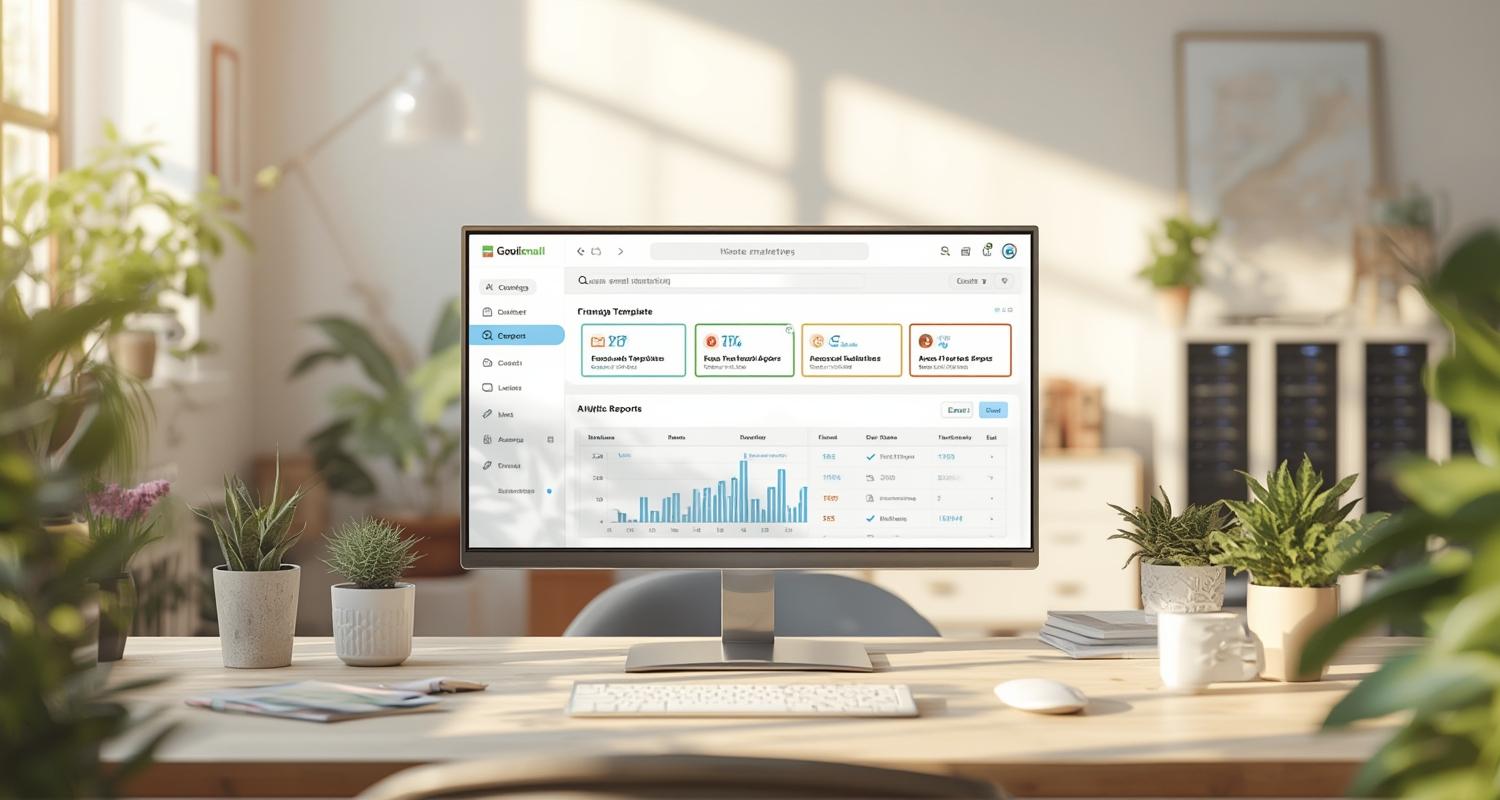
Determining the ideal sending frequency requires testing and analysis. Sending daily promotions might work for a flash-sale retailer but overwhelm subscribers of a B2B SaaS company. Tools that offer A/B testing for send times and frequencies help identify what resonates best with specific audiences.
For example, a fitness brand might test sending three newsletters per week versus five, tracking unsubscribe rates and engagement metrics. Over time, patterns emerge, revealing the sweet spot for how many marketing emails is too many. Platforms with AI-driven send-time optimization further enhance results by delivering emails when recipients are most likely to engage.
The Importance of Responsive Email Templates
With over 50% of emails opened on mobile devices, responsive design is non-negotiable. Leading email marketing tools provide customizable templates that automatically adjust for different screen sizes. Drag-and-drop editors simplify the creation process, allowing marketers to focus on messaging rather than coding.
Some platforms even offer dynamic content blocks, enabling hyper-personalization. A travel agency, for instance, could showcase destination deals based on a subscriber’s past bookings or browsing history—all within the same template framework.
Integrating Email Marketing with Other Channels
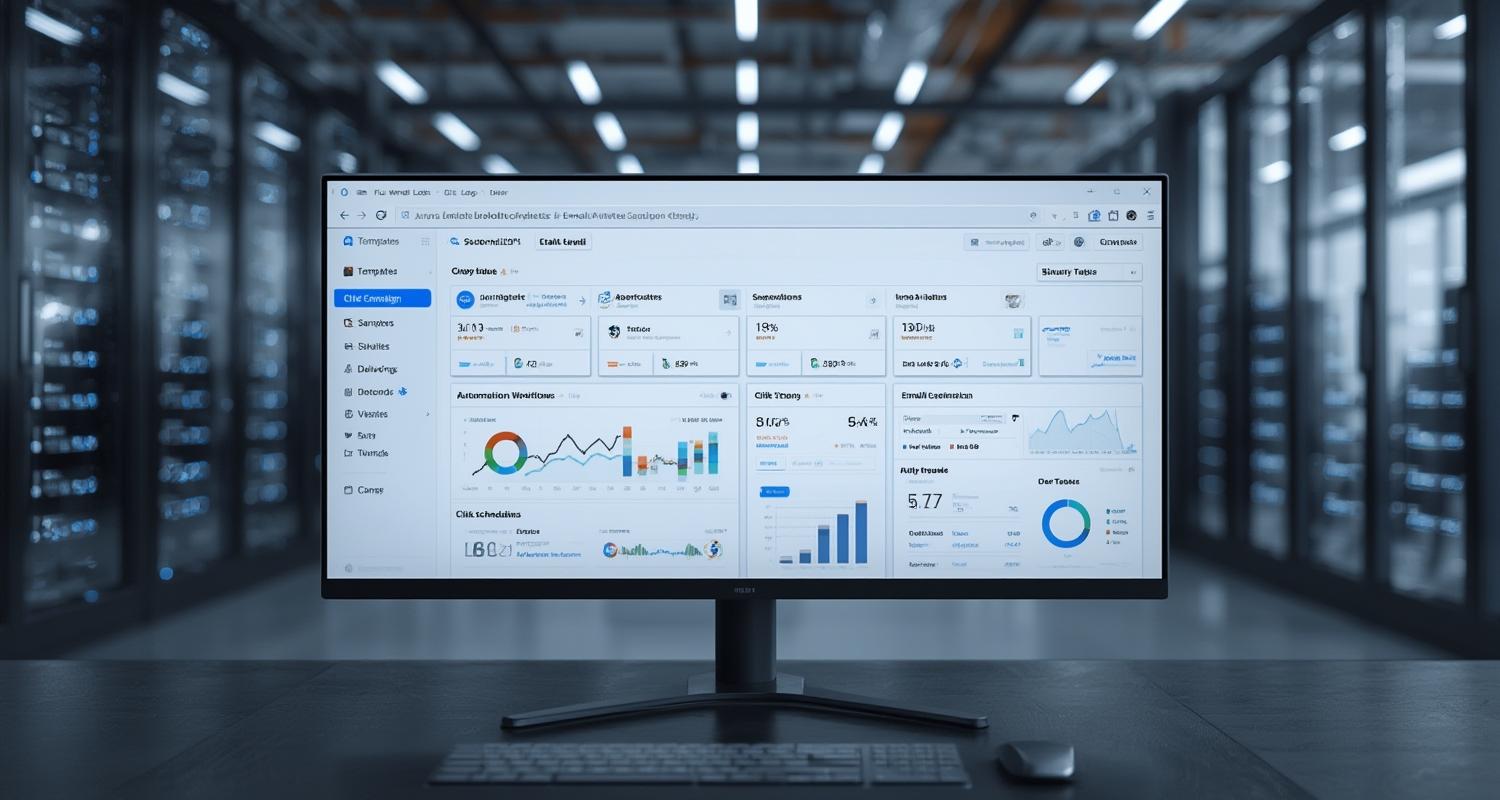
Standalone email campaigns are powerful, but integrating them with social media, SMS, or ads amplifies their impact. Platforms that sync with tools like Facebook Custom Audiences or Google Ads enable retargeting strategies. For example, users who opened an email but didn’t click can be targeted with a complementary Facebook ad, reinforcing the message.
CRM integrations bridge gaps between sales and marketing teams. When an email recipient downloads a whitepaper, the sales team receives a notification to follow up, creating a seamless handoff. Without these integrations, opportunities slip through the cracks.
Budget Considerations and Hidden Costs
While many platforms advertise low entry-level pricing, costs can escalate with list growth or premium features. Some charge based on subscriber count, while others factor in the number of emails sent. Hidden fees for additional automation workflows or advanced analytics can catch users off guard.
Businesses must evaluate not just upfront costs but long-term scalability. A startup might begin with a basic plan but should ensure the platform can accommodate future needs like multi-channel campaigns or AI-powered recommendations.

Conclusion
Choosing the right email marketing tool involves balancing features, usability, and cost while keeping deliverability and integration capabilities in mind. Whether optimizing email marketing cadence or avoiding the pitfalls of sending how many marketing emails is too many, the right platform provides the data and tools needed for success. By focusing on automation, segmentation, and analytics, businesses can build campaigns that resonate, convert, and retain subscribers over time.
What is the ideal frequency for sending marketing emails?
The optimal frequency varies by industry and audience. Start with one or two emails per week, then adjust based on engagement metrics like open rates and unsubscribes. Tools with A/B testing capabilities simplify this process.
How can I improve my email deliverability rates?
Maintain a clean subscriber list, authenticate your domain with SPF/DKIM records, and avoid spam-triggering words. Premium email platforms often include deliverability monitoring tools to help.
Are free email marketing tools effective?
Free plans work for small lists and basic campaigns but lack advanced features like automation or segmentation. As your needs grow, upgrading becomes necessary for scalability.
What’s the biggest mistake in email marketing?
Overloading subscribers with irrelevant or too-frequent emails. Use segmentation and testing to refine email marketing cadence and avoid fatigue.
How do I measure the success of my email campaigns?
Track metrics like open rates, click-through rates, conversion rates, and ROI. Advanced platforms provide cohort analysis and revenue attribution for deeper insights.