

Mastering Email Marketing: Strategies to Boost Engagement and Drive Conversions
Email marketing remains one of the most effective digital marketing channels, delivering an impressive ROI of $42 for every $1 spent. However, achieving such results requires more than just blasting out generic messages—it demands strategic planning, precise execution, and tools that enhance engagement. A key challenge marketers face is improving their email click-through rate (CTR), which directly impacts campaign success. Whether you’re aiming to increase click rate in email marketing or refine your email CTR optimization tactics, understanding how to captivate your audience is essential.
Successful campaigns hinge on several factors: compelling content, accurate subscriber segmentation, dynamic personalization, and flawless deliverability. Many marketers stumble into pitfalls like poor subject lines, lackluster CTAs, or technical oversights that land emails in spam folders. This guide explores actionable techniques backed by real-world examples, helping you elevate engagement metrics while avoiding common roadblocks. We’ll also review how top-tier platforms streamline processes through automation, analytics, and A/B testing—ensuring every campaign performs at its peak.
Understanding Email Click-Through Rates and Their Business Impact
Click-through rates measure the percentage of recipients who click on links within an email, serving as a direct indicator of engagement. While open rates reveal initial interest, CTR reflects deeper interaction—translating to website visits, lead captures, or sales. Industry benchmarks vary by sector, but a CTR between 2-5% is generally respectable for most industries. Businesses aiming to increase click rate in email marketing must focus on relevance, timing, and persuasive design.
Low CTRs often stem from misaligned audience targeting. For instance, a fitness brand emailing marathon training tips to casual gym-goers might see dismal engagement. Segmentation tools help tailor content to subscriber preferences, such as dividing lists by purchase history or geographic location. Platforms like Mailchimp and ActiveCampaign offer dynamic content blocks that automatically adjust email elements based on user data. Pairing segmentation with strong calls-to-action (e.g., “Claim Your 20% Discount Today”) can significantly lift CTR.
Another overlooked factor is mobile optimization. Over 60% of emails are opened on smartphones, yet many campaigns fail to adapt layouts for smaller screens. Buttons that are too small, slow-loading images, or fragmented text reduce usability. Tools like Brevo (formerly Sendinblue) provide responsive templates with adjustable font sizes and tappable CTA buttons to optimize email CTR across devices.
Crafting High-Converting Email Content
Content quality dictates whether recipients skim or engage. Effective emails blend concise messaging with value-driven incentives, avoiding overly promotional language. A travel agency promoting summer deals might use subject lines like “Your Dream Bali Getaway—Only 3 Spots Left!” paired with vibrant destination visuals and a time-sensitive offer. Personalization tokens (e.g., “Hi {{First_Name}}, your exclusive upgrade is ready!”) further boost relevance.
Storytelling also enhances connection. Instead of bluntly pitching a product, frame it within a relatable scenario. A SaaS company could share a case study showing how their tool saved a client 10 hours weekly, embedding a demo link within the narrative. Including social proof—reviews, testimonials, or user-generated content—adds credibility. For example, supplementing a skincare campaign with before/after photos from real customers increases trust and clicks.
Avoid common pitfalls like vague CTAs (“Learn More” vs. “Download Your Free E-Book Now”), cluttered layouts, or excessive links that dilute focus. Email CTR optimization thrives on specificity; each element should guide the recipient toward a single desired action.
Leveraging Automation and Behavioral Triggers
Automation transforms sporadic campaigns into strategic workflows. Behavior-based triggers—like abandoned cart reminders or post-purchase follow-ups—deliver timely content that resonates. Imagine an online retailer triggering a 10% discount email 24 hours after a user leaves items in their cart. Such automated sequences can increase click rate in email marketing by 50% or more compared to generic broadcasts.
Drip campaigns nurture leads progressively. A B2B software provider might automate a 5-email sequence: welcome → feature highlights → customer success story → limited-time trial offer → final reminder. Advanced platforms track interactions (e.g., link clicks or ignored emails) to adjust messaging automatically. If a lead engages with the trial offer email but doesn’t convert, the system might flag them for a sales follow-up call.
Tools like HubSpot and Campaign Monitor excel here, offering visual workflow builders with conditional logic. For instance, users who clicked “How to increase click rate in email marketing” guides could be enrolled in an educational nurture track, while inactive subscribers receive re-engagement prompts.
Design and Technical Optimization
Visual appeal and technical performance are inseparable from engagement. Emails with a clear hierarchy—headline → supporting text → CTA—guide readers naturally. Use contrasting colors for buttons (e.g., orange against a white background) and whitespace to prevent overwhelm. Interactive elements like polls or GIFs can increase interaction; a food delivery service might embed a “Swipe to Reveal This Week’s Special” animation.
Technical tweaks also matter:
– Preview text: Override default snippets (e.g., “View in browser”) with persuasive copy teasing the email’s value.
– Alt text: Ensure images describe their context for recipients with disabled visuals.
– Loading speed: Compress images (below 1MB) and avoid heavy custom HTML.
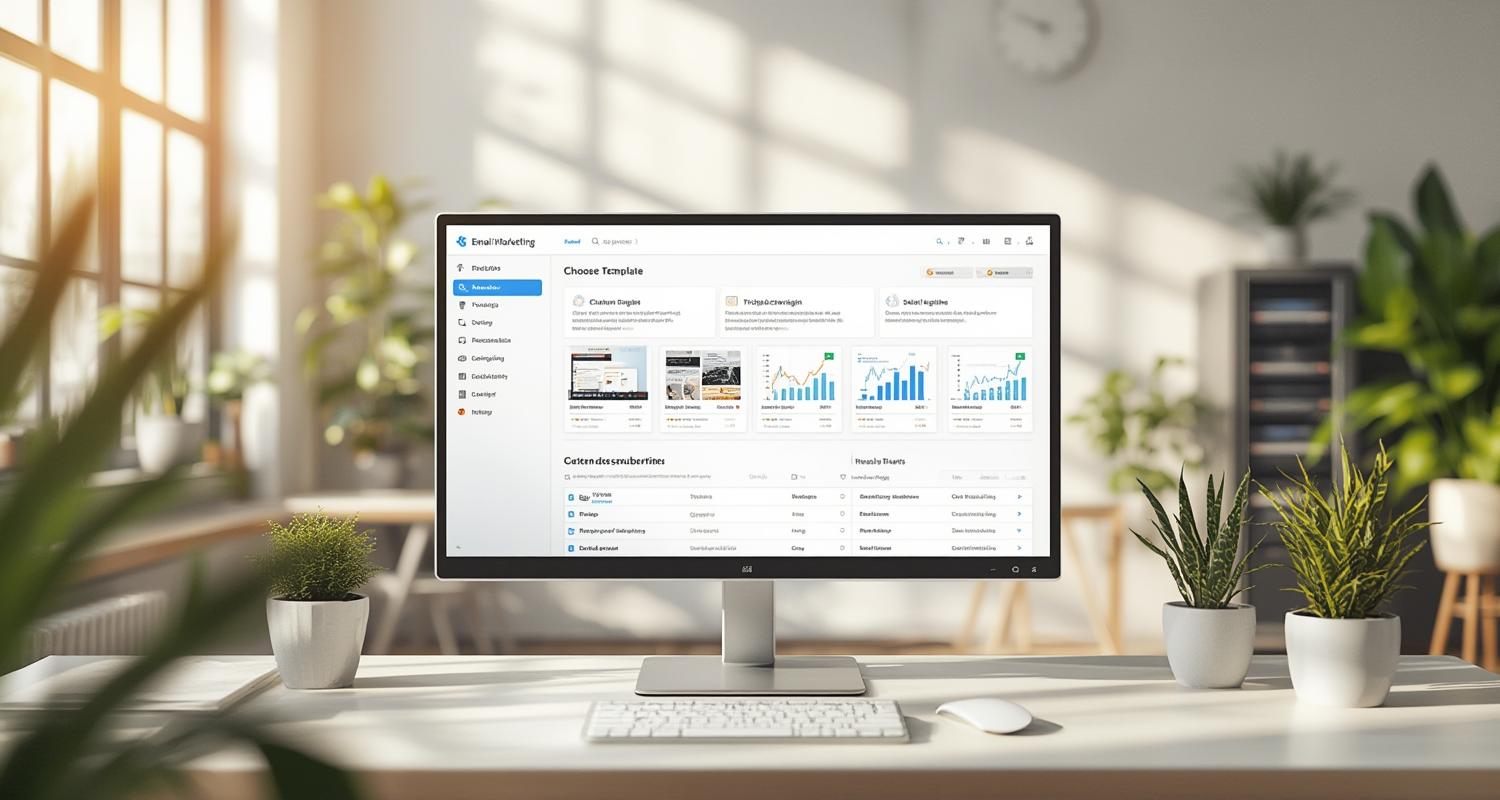
Tools like Litmus test rendering across 90+ clients to fix display quirks before sending.
Measuring and Scaling Success
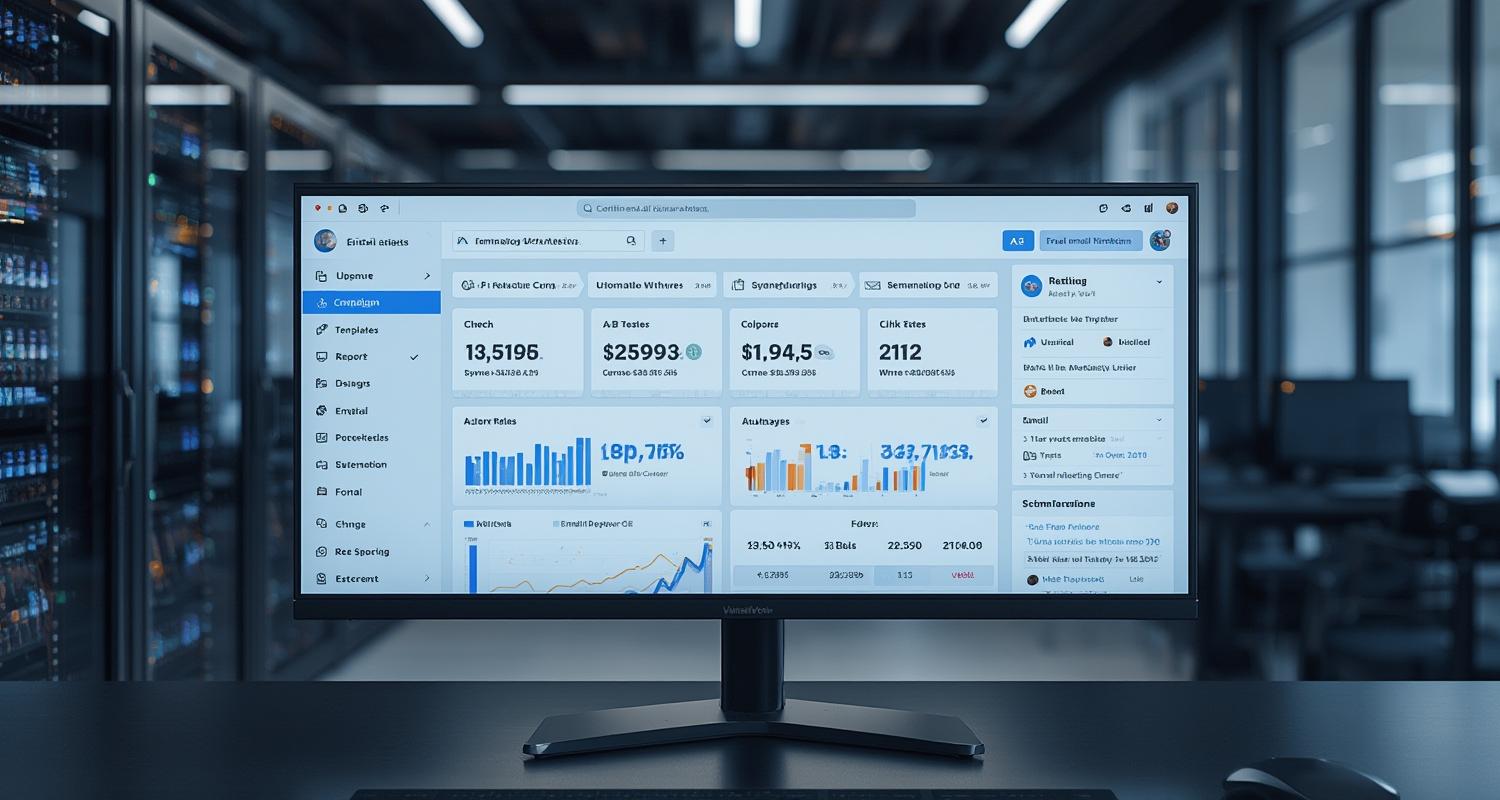
Robust analytics pinpoint what’s working. Beyond CTR, track conversion rates (clicks leading to sign-ups/sales), bounce rates, and unsubscribe spikes. Heatmap tools like MailerLite show which links garnered the most attention, informing design refinements.
A/B testing (split testing) validates hypotheses. Test one variable at a time:
– Subject lines (“Final Hours for 30% Off” vs. “Last Chance: Deal Ends Tonight”)
– Send times (Tuesday AM vs. Thursday PM)
– CTA placements (inline vs. button)
Top platforms auto-select winning versions to maximize email CTR optimization.
Conclusion
Elevating your email click-through rate demands a mix of creativity and data-driven precision. From personalized content and behavioral automation to mobile-friendly designs and relentless testing, each component amplifies engagement. Tools that simplify these processes—like segmentation, analytics, and drag-and-drop editors—empower marketers to increase click rate in email marketing consistently. Remember, every email is an opportunity to deepen customer relationships; optimize relentlessly, and the results will follow.
Frequently Asked Questions
How often should I clean my email list to maintain a healthy CTR?
Prune inactive subscribers every 3-6 months. High bounce rates (>2%) or unengaged recipients (no opens/clicks in 6 months) hurt deliverability and skew metrics. Run re-engagement campaigns first—offer incentives like “We miss you! Here’s 15% off.”
Does emoji use in subject lines improve CTR?
When relevant, yes. A 🌟 or 🔥 can catch attention but avoid overuse. Test plain vs. emoji-enhanced lines; some audiences (e.g., B2B) may prefer straightforward text.
How do I reduce email spam complaints?
Ensure all subscribers opt-in explicitly. Avoid deceptive subject lines (“Urgent: Action Required” for non-urgent content) and provide clear unsubscribe options. Tools like SpamAssassin preview spam scores pre-send.

What’s the ideal email length for higher CTR?
Keep body copy under 200 words unless delivering in-depth guides. Place CTAs above the fold (visible without scrolling) for quick access.
Can AI tools enhance email CTR?
Absolutely. AI-driven subject line generators (Phrasee), send-time optimizers (Optimove), and predictive content recommendations (Persado) leverage data patterns humans might miss. Test gradually to gauge impact.
By implementing these strategies and leveraging robust tools, you’ll transform email performance—one click at a time.