

The way we consume television has undergone a dramatic transformation in recent years, shifting from traditional cable and satellite services to internet-based streaming solutions. Among these, IPTV (Internet Protocol Television) has emerged as a powerful alternative, offering greater flexibility, a wider range of content, and often more affordable pricing. Unlike conventional TV services that rely on broadcast signals or satellite feeds, IPTV delivers content through internet protocols, allowing users to stream live TV, on-demand shows, and even catch-up services seamlessly. Understanding how iptv works explained is essential for anyone looking to cut the cord and embrace a more modern viewing experience.
Understanding IPTV Technology
At its core, IPTV leverages internet connectivity to transmit television content rather than traditional terrestrial, cable, or satellite methods. This means that instead of tuning into a broadcast frequency, your TV or streaming device receives data packets over an IP network, which are then decoded and displayed in real-time. The IPTV streaming process involves three primary components: content providers, service operators, and end-user devices. Content providers supply the media, which is then encoded and distributed by IPTV service providers through secure servers. Users access this content via apps or set-top boxes connected to their internet.
One of the key advantages of IPTV is its ability to offer interactive features such as video-on-demand (VOD), time-shifted TV, and personalized recommendations. Unlike traditional TV, where programming follows a fixed schedule, IPTV allows viewers to watch what they want, when they want. This flexibility is made possible through advanced streaming protocols like HTTP Live Streaming (HLS) and Real-Time Messaging Protocol (RTMP), which ensure smooth playback even on varying internet speeds. Additionally, IPTV services often integrate cloud DVR functionalities, enabling users to record live broadcasts and watch them later without storage constraints.
Types of IPTV Services
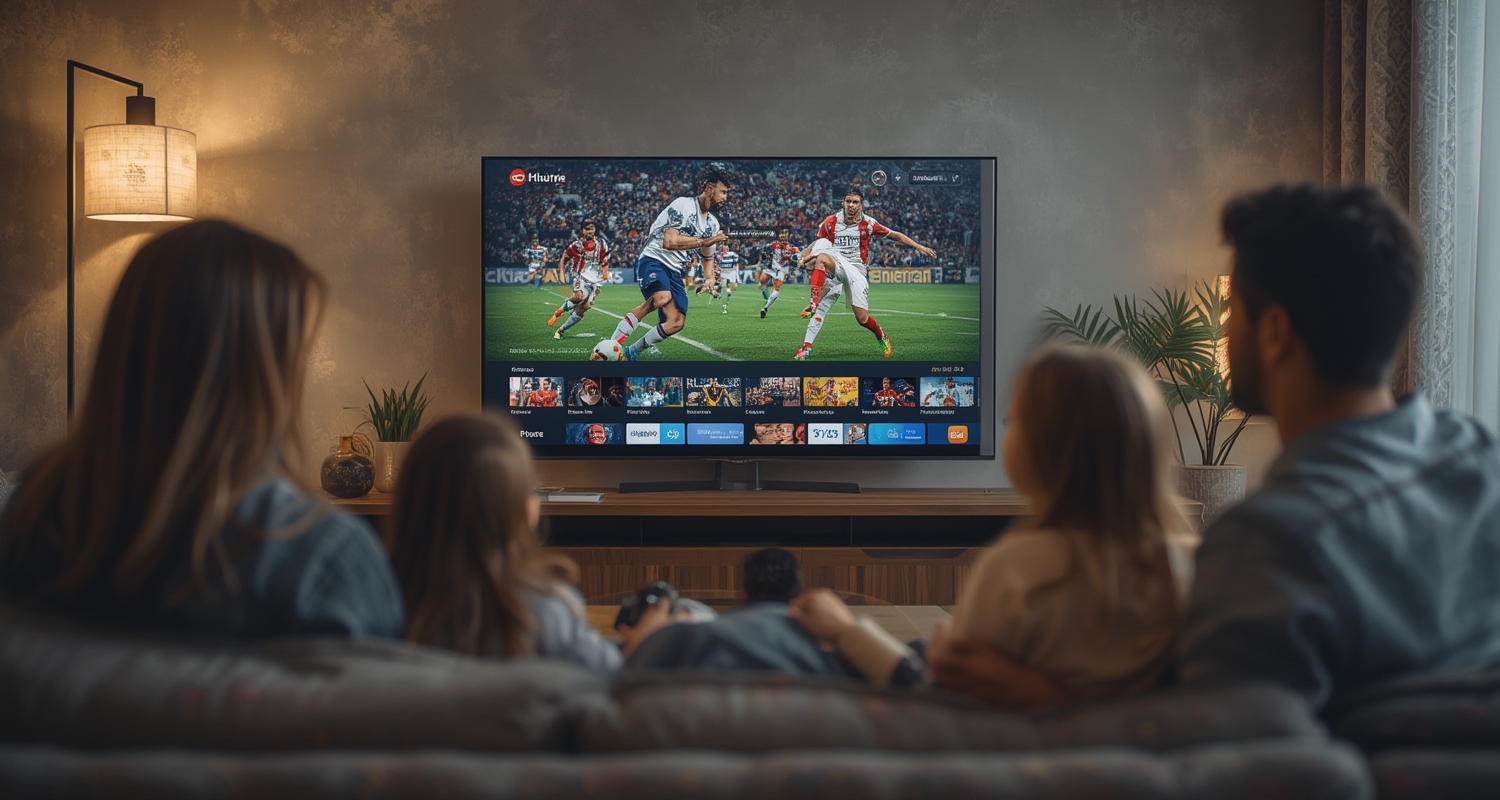
IPTV services can be broadly categorized into three main types: live television, time-shifted media, and video-on-demand. Live television mimics traditional broadcast TV, streaming channels in real-time over the internet. This is ideal for sports fans and news watchers who want to stay updated as events unfold. Time-shifted media, on the other hand, allows users to watch previously aired content at their convenience, often referred to as catch-up TV. Services like BBC iPlayer and Hulu utilize this model extensively.
Video-on-demand (VOD) is perhaps the most popular form of IPTV, offering a vast library of movies, TV series, and exclusive content that can be accessed anytime. Platforms like Netflix and Amazon Prime Video operate on this principle, though many IPTV providers also include VOD libraries alongside live TV options. Some premium IPTV services even combine all three models, giving subscribers a comprehensive entertainment package that caters to every viewing preference.
Another emerging trend in IPTV is the integration of hybrid services, which blend traditional broadcast signals with internet-based streaming. This approach ensures uninterrupted viewing even during internet outages, making it a reliable option for users in areas with unstable connectivity. Hybrid setups often include features like seamless switching between broadcast and IP streams, ensuring minimal disruption to the viewing experience.
How IPTV Differs from Traditional TV
One of the most significant differences between IPTV and traditional TV lies in the delivery mechanism. While cable and satellite TV rely on physical infrastructure like coaxial cables and satellite dishes, IPTV uses existing broadband networks. This eliminates the need for extensive hardware installations and allows for easier scalability. Additionally, IPTV services are not bound by geographical limitations, meaning users can access their favorite channels from anywhere with an internet connection.
Another major distinction is the level of interactivity. Traditional TV is largely a one-way communication medium, where viewers passively consume content without any engagement options. IPTV, however, enables two-way communication, allowing users to interact with the service through features like instant channel switching, on-screen guides, and personalized recommendations. Some advanced IPTV platforms even incorporate social media integration, letting viewers share their favorite shows or comment on live broadcasts in real-time.
Cost is another factor where IPTV often has an edge. Traditional TV services typically require long-term contracts, expensive equipment rentals, and hidden fees. IPTV providers, on the other hand, usually offer more flexible subscription plans with no binding contracts. Many services also provide pay-as-you-go options, allowing users to customize their packages based on their viewing habits and budget.
Choosing the Right IPTV Service
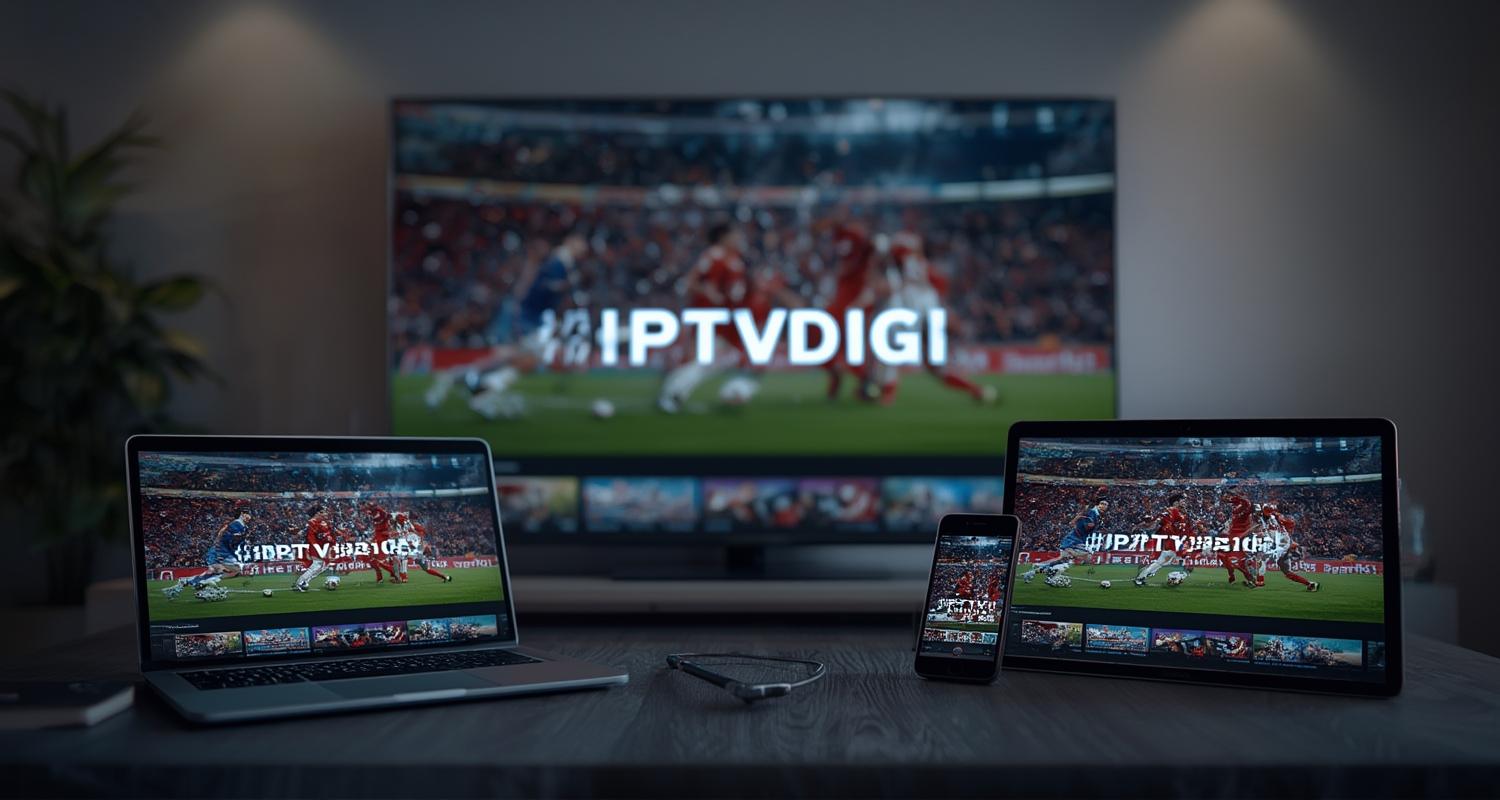
Selecting the right IPTV service depends on several factors, including content preferences, device compatibility, and internet speed. For users who prioritize live sports and news, a service with a robust lineup of international channels would be ideal. Those who prefer movies and TV series should look for providers with extensive VOD libraries. It’s also important to ensure that the service supports the devices you own, whether it’s a smart TV, streaming stick, or mobile device.
Internet speed plays a crucial role in the quality of the streaming experience. Most IPTV services recommend a minimum bandwidth of 10 Mbps for standard definition (SD) content and at least 25 Mbps for high-definition (HD) or 4K streaming. Users with slower connections may experience buffering or reduced video quality, so it’s advisable to test the service during peak hours before committing to a long-term plan.
Another consideration is the legality and reliability of the service. While there are many legitimate IPTV providers, some operate in a legal gray area by offering pirated content. These services may be cheaper but come with risks such as sudden shutdowns, poor customer support, and potential legal repercussions. Opting for a reputable provider with transparent licensing agreements ensures a safer and more reliable viewing experience.
The Future of IPTV
As internet speeds continue to improve and 5G networks become more widespread, the future of IPTV looks incredibly promising. Advances in compression technologies like HEVC (High-Efficiency Video Coding) are enabling higher-quality streams with lower bandwidth requirements, making 4K and even 8K streaming more accessible. Additionally, the integration of artificial intelligence (AI) is paving the way for smarter content recommendations and personalized viewing experiences.
Another exciting development is the rise of multi-screen viewing, where users can watch different channels on multiple devices simultaneously. This feature is particularly appealing to households with diverse viewing preferences, allowing family members to enjoy their favorite shows without conflicts. Some IPTV providers are also experimenting with augmented reality (AR) and virtual reality (VR) integrations, offering immersive viewing experiences that go beyond traditional television.
Conclusion
IPTV represents a significant leap forward in how we consume television, combining the convenience of internet streaming with the familiarity of traditional TV. By understanding how iptv works explained, users can make informed decisions about their entertainment options. Whether you’re looking for live sports, on-demand movies, or interactive features, the IPTV streaming process offers unparalleled flexibility and convenience. As technology continues to evolve, IPTV is poised to become the dominant form of television consumption, offering viewers more control and customization than ever before.
Frequently Asked Questions
What equipment do I need for IPTV?
To enjoy IPTV, you’ll need a stable internet connection and a compatible device such as a smart TV, streaming box (like Amazon Fire Stick or Roku), or a mobile device. Some services may also require a set-top box provided by the IPTV company. Additionally, a high-speed internet connection is crucial to ensure smooth streaming without buffering.
Is IPTV legal?
Yes, IPTV is legal as long as the service provider has the necessary licenses to distribute the content. However, there are illegal IPTV services that offer pirated channels, which can lead to legal issues and poor service quality. Always opt for reputable providers with transparent licensing agreements.
Can I use IPTV on multiple devices?
Many IPTV services allow simultaneous streaming on multiple devices, though the number of concurrent streams depends on your subscription plan. Some providers offer family packages that include multiple connections, making it ideal for households with several viewers.
How does IPTV handle buffering issues?
Buffering in IPTV is often caused by slow internet speeds or network congestion. To minimize buffering, ensure you have a high-speed connection and use a wired Ethernet connection if possible. Some services also offer adaptive bitrate streaming, which adjusts video quality based on your internet speed.
What’s the difference between IPTV and OTT services?
While both IPTV and OTT (Over-The-Top) services deliver content over the internet, IPTV is typically offered by telecom or cable providers and often includes live TV. OTT services like Netflix and Hulu focus primarily on on-demand content and are usually accessed via third-party apps. IPTV tends to offer a more integrated experience with features like live channel guides and DVR functionalities.